CRM Software for Small Business revolutionizes how companies manage customer interactions, streamline operations, and boost productivity. Dive into the world of CRM solutions tailored for small businesses.
Overview of CRM Software for Small Business
CRM (Customer Relationship Management) software plays a crucial role in helping small businesses effectively manage their customer relationships. By centralizing customer data, interactions, and communications, CRM software enables businesses to personalize their approach, improve customer satisfaction, and boost overall productivity.
Key Features and Benefits of CRM Software for Small Businesses
- Centralized Customer Database: CRM software allows small businesses to store all customer information in one place, making it easily accessible and organized.
- Improved Customer Communication: With CRM software, businesses can track customer interactions, send personalized messages, and provide timely responses, enhancing customer relationships.
- Sales and Marketing Automation: CRM software automates sales and marketing processes, streamlining workflows and increasing efficiency.
- Analytics and Reporting: CRM software provides valuable insights through analytics and reporting tools, helping businesses make informed decisions and optimize strategies.
Popular CRM Software Options for Small Businesses
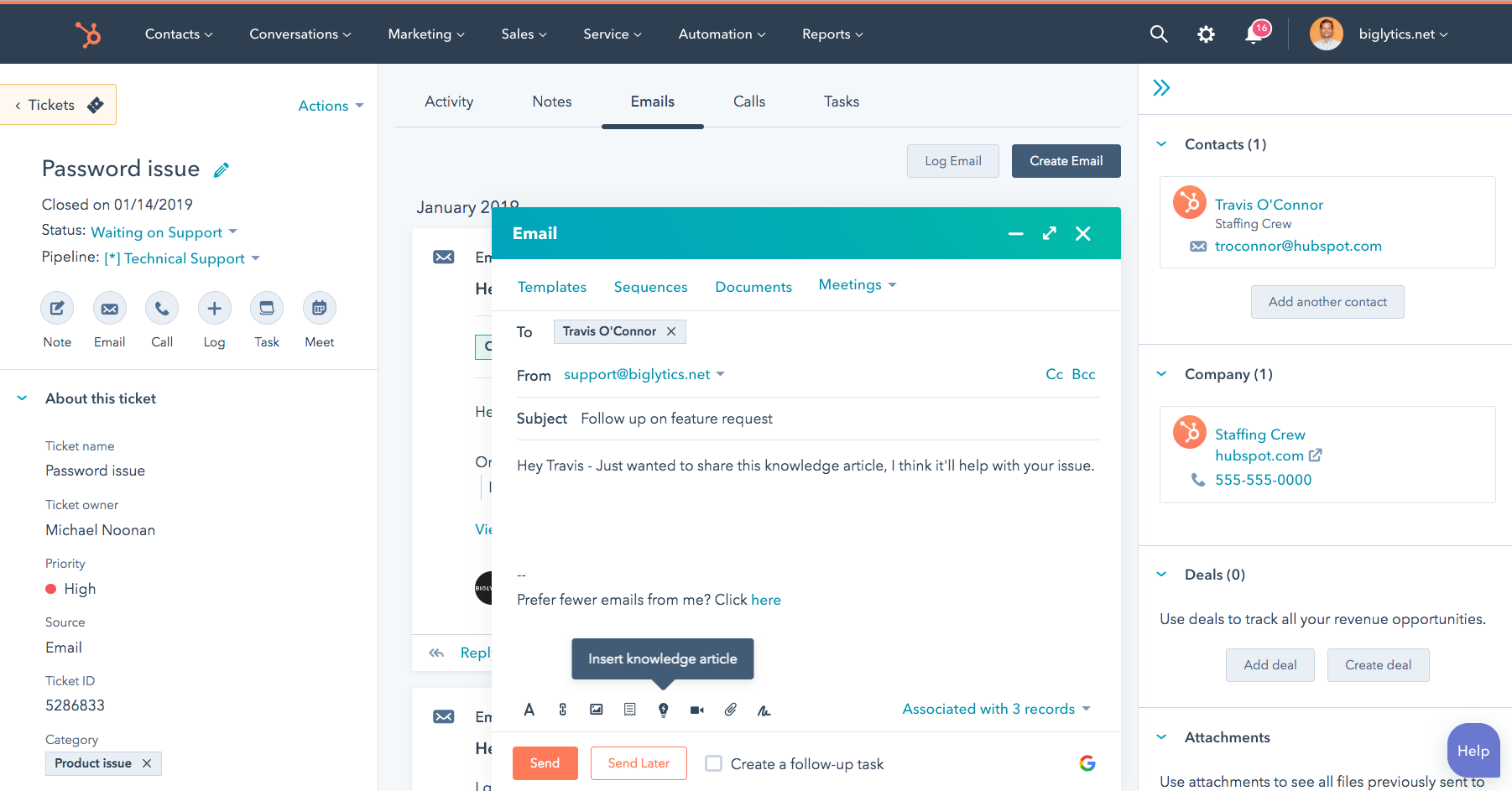
- HubSpot CRM: Offers a free version with basic features and affordable paid plans for small businesses.
- Zoho CRM: Provides a user-friendly interface, customization options, and integration with other Zoho business tools.
- Salesforce Essentials: Tailored specifically for small businesses, offering robust CRM functionality and scalability.
Implementing CRM Software Effectively in Small Businesses
- Evaluate Business Needs: Identify specific goals and requirements before selecting a CRM software.
- Training and Onboarding: Provide training to employees on how to use the CRM software effectively to maximize its benefits.
- Data Migration: Ensure a smooth transition by migrating existing customer data to the CRM software accurately.
Integration with Other Business Tools
- CRM software can integrate with email marketing platforms, accounting software, and e-commerce platforms for seamless operations.
- Integration with Customer Support Tools: Connecting CRM software with customer support tools enhances customer service and communication.
Types of CRM Software Suitable for Small Business
When it comes to CRM software options for small businesses, there are several types to consider based on specific needs and preferences. Each type offers unique features and functionalities to help streamline customer relationship management processes efficiently.
Cloud-based CRM Software
Cloud-based CRM software, such as Salesforce Essentials, HubSpot CRM, or Zoho CRM, is a popular choice for small businesses due to its accessibility, scalability, and cost-effectiveness. These solutions offer flexibility, remote access, and automatic updates without the need for extensive IT support.
On-premise CRM Software
On-premise CRM software, like Microsoft Dynamics 365 or SugarCRM, is installed and maintained on local servers within the organization. While it provides greater control over data security and customization, it requires a higher upfront investment and ongoing maintenance costs.
Open-source CRM Software
Open-source CRM software, such as SuiteCRM or Vtiger CRM, is a customizable and cost-effective option for small businesses. It allows for greater flexibility in modifying the software to fit specific business requirements while also benefiting from a supportive community of developers.
Mobile CRM Software
Mobile CRM software, like Insightly or Pipedrive, is designed to cater to businesses that require on-the-go access to customer data and sales information. These solutions are optimized for mobile devices, providing real-time updates and seamless integration with other applications for enhanced productivity.
Factors to Consider
When choosing the right CRM software for a small business, factors to consider include the size of the business, budget constraints, scalability, integration capabilities with existing systems, user-friendliness, customer support, and data security measures. It is essential to evaluate these aspects carefully to ensure the selected CRM software aligns with the organization’s needs and goals.
Implementation of CRM Software
Implementing CRM software for a small business can be a game-changer in terms of organizing customer data and improving customer relationships. Here are the steps involved in implementing CRM software, along with best practices for customization and employee training.
Setting up CRM Software
- Choose the right CRM software that aligns with your business needs and budget.
- Define the objectives and goals you want to achieve with the CRM software.
- Import existing customer data into the CRM system to ensure a seamless transition.
- Customize the CRM software to match your specific business processes and workflows.
Customizing CRM Software
- Configure the CRM software to capture relevant customer information and interactions.
- Create custom fields and reports to track data that is important to your business.
- Integrate the CRM software with other tools and systems for a more comprehensive view of customer interactions.
- Regularly review and update the CRM software configuration to adapt to changing business needs.
Training Employees
- Provide comprehensive training sessions to familiarize employees with the CRM software interface and features.
- Offer hands-on practice and real-life scenarios to help employees understand how to use the CRM software effectively.
- Encourage ongoing learning and support for employees to maximize the benefits of the CRM software.
- Monitor employee usage and provide feedback to ensure that the CRM software is being utilized to its full potential.
Integrating CRM Software with Existing Systems
Integrating CRM software with existing systems is crucial for maximizing the efficiency and effectiveness of your business operations. By seamlessly connecting your CRM software with other key systems, you can ensure a smooth flow of data and information across all departments.
Common Integrations with CRM Software
- Integration with Email Marketing Platforms: Connecting your CRM software with email marketing platforms like MailChimp or Constant Contact allows you to sync customer contact information and communication history, enabling targeted marketing campaigns.
- Integration with Accounting Software: Integrating CRM software with accounting software such as QuickBooks or Xero helps streamline financial processes by linking customer data with invoicing and payment records.
- Integration with E-commerce Platforms: Connecting CRM software with e-commerce platforms like Shopify or WooCommerce enables you to track customer interactions, purchase history, and preferences for personalized marketing strategies.
Benefits of Seamless Data Flow
- Improved Customer Insights: Seamless data flow between CRM software and other systems provides a comprehensive view of customer interactions, preferences, and purchase history, enabling personalized customer engagement.
- Enhanced Efficiency: Integration eliminates the need for manual data entry and reduces errors, saving time and resources while ensuring accurate information across all platforms.
- Streamlined Processes: Seamless data flow simplifies workflows and enhances collaboration among departments, leading to faster decision-making and improved customer service.
Challenges and Solutions
- Challenge: Data Compatibility Issues
- Ensure data formats are compatible between systems.
- Use data mapping tools to standardize information across platforms.
- Challenge: System Complexity
- Engage IT professionals or consultants for system integration expertise.
- Provide training to employees on using integrated systems effectively.
Step-by-Step Guide for Integration
- Identify Integration Needs: Determine which systems need to be integrated with CRM software.
- Choose Integration Method: Select the appropriate integration tools or APIs based on system requirements.
- Map Data Fields: Define data mapping rules to ensure seamless data transfer between systems.
- Test Integration: Conduct thorough testing to validate data accuracy and functionality post-integration.
- Implement Integration: Deploy the integrated systems and monitor performance for any issues or improvements.
Cloud-Based vs. On-Premise Integration
- Cloud-Based CRM Systems: Offer easier and faster integration options through cloud APIs, ensuring scalability and flexibility for growing businesses.
- On-Premise CRM Systems: Require more complex integration processes due to infrastructure limitations but provide greater control over data security and customization.
Data Security Best Practices
- Implement Role-Based Access Controls: Restrict data access based on user roles to prevent unauthorized data breaches.
- Encrypt Data Transfers: Secure data transmissions between systems using encryption protocols to protect sensitive information.
- Regular Data Backups: Maintain regular backups of integrated data to prevent loss in case of system failures or cyberattacks.
Customization and Personalization Features
Customization and personalization features in CRM software play a crucial role in tailoring the system to meet the specific needs of a small business. These features not only help in streamlining processes but also contribute to enhancing customer relationships.
Customization Options
- Customizable Fields: CRM software allows users to create custom fields to capture unique data points relevant to their business.
- Workflow Automation: Small businesses can customize workflows to match their specific sales and marketing processes.
- Reporting and Analytics: The ability to customize reports and dashboards enables businesses to track key metrics effectively.
Importance of Personalization Features
- Enhanced Customer Experience: Personalization features allow businesses to tailor interactions with customers based on their preferences and behaviors.
- Improved Customer Engagement: By personalizing communications, businesses can engage with customers in a more meaningful way, leading to increased loyalty.
- Targeted Marketing Campaigns: Personalization helps in creating targeted marketing campaigns that resonate with the target audience.
Examples of Improvement in User Experience
- Personalized Email Campaigns: By using CRM software to personalize email campaigns with customer names and preferences, businesses can see higher open and click-through rates.
- Customized Sales Processes: Tailoring the sales process in CRM software to match the buyer’s journey can lead to higher conversion rates and customer satisfaction.
- Individualized Customer Support: Providing personalized support based on a customer’s history and preferences can result in quicker issue resolution and improved satisfaction.
Data Management and Analysis Capabilities
CRM software plays a crucial role in helping small businesses effectively manage and analyze customer data. By centralizing all customer information in one place, businesses can gain valuable insights to improve their interactions and relationships with customers.
Tools and Features for Data Analysis
- Customizable Dashboards: CRM software offers customizable dashboards that allow small businesses to track key performance indicators (KPIs) and metrics in real-time.
- Reporting Tools: Businesses can generate detailed reports on sales, customer interactions, and marketing campaigns to identify trends and patterns.
- Data Segmentation: CRM software enables businesses to segment customer data based on various criteria such as demographics, purchase history, and behavior.
- Forecasting Tools: By leveraging historical data and trends, businesses can use forecasting tools within CRM software to predict future sales and customer behavior.
Leveraging Data Management Capabilities
- Personalized Marketing: With insights from customer data analysis, businesses can create personalized marketing campaigns tailored to individual customer preferences and behaviors.
- Improved Customer Service: By analyzing customer interactions and feedback, businesses can enhance their customer service efforts and address issues proactively.
- Enhanced Decision-Making: Data-driven decisions can be made by small businesses by leveraging CRM software’s data management capabilities, leading to more informed and strategic business choices.
Automation and Workflow Optimization
Automation plays a crucial role in enhancing efficiency and productivity in small businesses. By leveraging CRM software, businesses can streamline their workflow processes and reduce manual tasks, allowing for a more streamlined operation.
Examples of Workflow Optimization
- Automating lead nurturing processes to send personalized follow-up emails based on customer interactions.
- Setting up automated reminders for sales representatives to follow up with leads at specific intervals.
- Automatically assigning tasks to team members based on predefined criteria to ensure timely completion.
Impact of Automation
- Automation reduces human error and speeds up processes, leading to increased efficiency and productivity.
- By automating repetitive tasks, employees can focus on more strategic activities that require human intervention.
- Improved data accuracy and consistency through automated data entry and updates.
Customization and Integration
- Customizing automation workflows to align with specific business needs and objectives.
- Integrating CRM automation with other business tools such as email marketing platforms for seamless operation.
- Ensuring that the CRM software allows for flexible automation setups to adapt to changing business requirements.
Case Studies and Metrics
- Case study: Company X increased their sales by 30% after implementing automated lead scoring and routing in their CRM system.
- Key metrics to measure automation effectiveness: Conversion rates, response times, task completion rates, and customer satisfaction levels.
- Utilizing analytics tools within CRM software to track the impact of automation on business performance.
Mobile Accessibility and Remote Work
Mobile accessibility is crucial in CRM software for small businesses as it allows employees to access important customer data and manage relationships on the go, increasing efficiency and productivity.
Importance of Mobile CRM in Remote Work Trends
- Remote work trends have accelerated the need for mobile CRM solutions, enabling employees to work from anywhere while staying connected to customers and colleagues.
- Mobile CRM applications provide real-time access to customer information, communication tools, and task management features, essential for remote work success.
Tips for Maximizing Productivity with Mobile CRM
- Encourage employees to regularly update customer data and activities through mobile CRM apps to ensure accurate and up-to-date information.
- Utilize calendar integrations and notifications to stay on top of important tasks and follow-ups, optimizing time management and productivity.
Successful Small Businesses Leveraging Mobile CRM for Remote Work
- A small marketing agency increased client satisfaction and retention rates by using mobile CRM to streamline communication and project management while working remotely.
- An e-commerce startup improved sales performance by implementing a mobile CRM system to track customer interactions and personalize marketing campaigns effectively.
Key Features in Mobile CRM Software for Small Businesses
- Offline access to data for seamless work even without an internet connection.
- Intuitive mobile interface for easy navigation and quick access to essential functions.
- Integration with other mobile apps and tools to enhance productivity and collaboration.
Comparison of Top Mobile CRM Solutions for Small Businesses
- Company A’s mobile CRM offers advanced customization options and robust reporting features tailored for small businesses.
- Company B’s mobile CRM focuses on user-friendly design and seamless integration with popular productivity tools for remote work efficiency.
Setting Up and Customizing a Mobile CRM System for Remote Work
- Choose a mobile CRM software that aligns with your business needs and budget constraints.
- Set up user accounts, permissions, and access levels to ensure data security and privacy compliance.
- Customize fields, workflows, and automation rules to streamline processes and adapt the CRM system to your remote work requirements.
Best Practices for Data Security and Privacy in Mobile CRM Applications
- Enable two-factor authentication and encryption features to protect sensitive customer data from unauthorized access.
- Regularly update the mobile CRM software to patch security vulnerabilities and enhance data protection measures.
Customer Support and Training
Customer support and training play a crucial role in assisting small businesses with CRM software. These services help users navigate the software effectively and maximize its benefits for their business operations.
Importance of Ongoing Training and Education
Ongoing training and education are essential for users of CRM software to stay up-to-date with the latest features and functionalities. It ensures that users can leverage the full potential of the software to enhance customer relationships and drive business growth.
- Regular training sessions to cover new updates and features
- Interactive workshops to deepen understanding and practical application
- Access to online resources and tutorials for self-paced learning
Best Practices for Providing Effective Customer Support and Training Services
Effective customer support and training services can be achieved by:
- Offering multiple support channels (phone, email, live chat)
- Providing timely responses to user queries and issues
- Assigning dedicated support staff for personalized assistance
Setting Up a Helpdesk System for CRM Software Users
To set up a helpdesk system for CRM software users, follow these steps:
- Choose a helpdesk software that integrates with your CRM system
- Define ticket categories and prioritize user issues
- Assign support agents to handle different types of inquiries
- Monitor response times and user satisfaction levels
Common Customer Issues and Troubleshooting
Some common customer issues faced when using CRM software include:
- Data synchronization errors
- User access permissions
- Integration issues with other systems
To troubleshoot these effectively, ensure clear communication with users, provide step-by-step guidance, and offer remote assistance if needed.
Key Topics in CRM Software Training Program
Key topics to include in a CRM software training program for new users are:
- Introduction to CRM software and its benefits
- Navigation and interface overview
- Data entry and management best practices
- Reporting and analytics tools
Scalability and Growth Considerations
When it comes to CRM software for small businesses, scalability is a crucial factor to consider. The ability of the software to grow along with the business and adapt to changing needs is essential for long-term success.
Support for Business Expansion
CRM software plays a vital role in supporting business expansion by providing a centralized platform to manage customer data, interactions, and relationships. As a small business grows, the CRM system can accommodate an increasing number of customers, leads, and sales opportunities.
- Customizable Dashboards: CRM software with customizable dashboards allows businesses to add new data fields, reports, and metrics as they scale up.
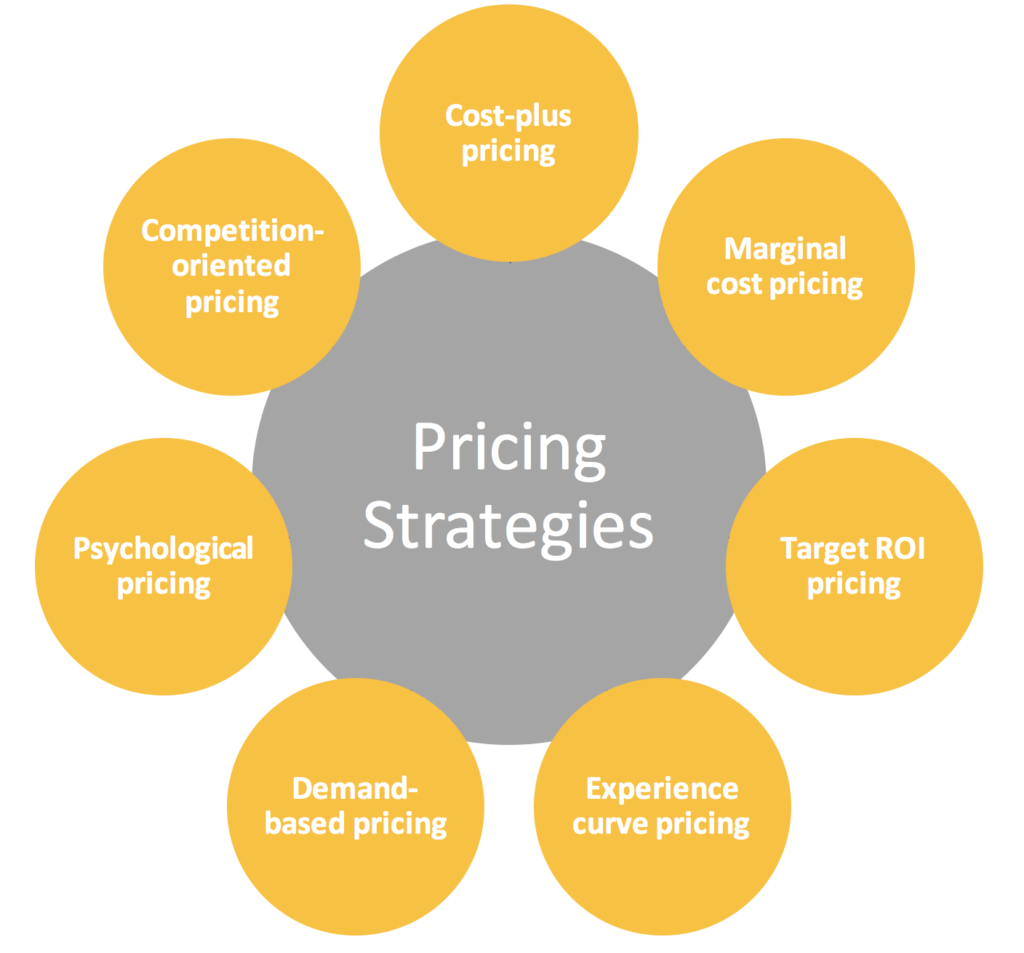
- Scalable Pricing Plans: Look for CRM solutions that offer flexible pricing plans with the option to upgrade or add users and features as the business expands.
- Integration Capabilities: CRM systems that seamlessly integrate with other business tools and applications enable smooth expansion without disruptions.
Adaptation to Changing Needs
As small businesses evolve, their CRM requirements may change. The software should be able to adapt to these shifting needs without causing major disruptions to day-to-day operations.
- Workflow Automation: CRM systems that support automation of repetitive tasks and workflows can help businesses streamline processes and handle increased workload efficiently.
- Scalable Storage Options: Opt for CRM software that offers scalable storage options to accommodate growing data volumes without compromising performance.
- Advanced Reporting Features: Advanced reporting and analytics tools in CRM software allow businesses to gain insights into customer behavior and trends, aiding in strategic decision-making.
Security and Data Privacy Measures
In today’s digital landscape, safeguarding sensitive customer data is paramount for businesses of all sizes. CRM software for small businesses offers various security features to protect valuable information and ensure compliance with data privacy regulations.
Encryption and Secure Access
- Encryption plays a crucial role in safeguarding customer information within CRM systems by converting data into a coded format that can only be deciphered with the right decryption key.
- Two-factor authentication methods, such as SMS codes or biometric verification, can be integrated into CRM platforms to add an extra layer of security beyond passwords.
Regular Security Audits and User Access Controls
- Conducting regular security audits helps identify vulnerabilities in CRM software and address them promptly to prevent potential data breaches.
- User access controls play a vital role in maintaining data privacy within CRM databases by limiting access to sensitive information only to authorized personnel.
Secure Data Transfer between Modules
- When transferring data between different modules of a CRM system, it is essential to follow secure protocols such as using encrypted connections and restricting access to ensure data integrity and confidentiality.
Cost Analysis and Return on Investment
Implementing CRM software for a small business involves various costs that need to be carefully analyzed to ensure a positive return on investment (ROI). Factors such as initial setup costs, subscription fees, customization expenses, ongoing maintenance charges, and employee training costs play a crucial role in determining the overall cost-effectiveness of CRM software.
Factors Influencing ROI
- Quality of Data Management: Ensuring accurate and up-to-date data can enhance decision-making and customer interactions, ultimately leading to increased ROI.
- Integration Capabilities: Seamless integration with existing systems can streamline processes and improve efficiency, contributing to a higher ROI.
- Scalability: The ability of the CRM system to grow with the business and adapt to changing needs can have a significant impact on long-term ROI.
Maximizing ROI Strategies
- Aligning CRM Functionalities with Business Goals: Customizing the CRM software to meet specific business objectives can optimize ROI by enhancing productivity and customer satisfaction.
- Monitoring Key Performance Indicators (KPIs): Tracking metrics such as customer acquisition costs, customer retention rates, and sales conversion rates can provide valuable insights into the effectiveness of the CRM system.
- Regular Training and Support: Investing in continuous training for employees and ongoing support for CRM users can improve user adoption and maximize the ROI of the software.
Breakdown of Costs
| Cost Category | Details |
|---|---|
| Initial Setup Costs | Includes software installation, configuration, and data migration expenses. |
| Subscription Fees | Monthly or annual charges for using the CRM software. |
| Customization Expenses | Costs associated with tailoring the CRM system to meet specific business requirements. |
| Ongoing Maintenance Charges | Costs for updates, support, and system enhancements over time. |
| Employee Training Costs | Training sessions, materials, and time spent on educating users about the CRM software. |
Case Studies and Success Stories
Case studies and success stories play a crucial role in showcasing the benefits of CRM software for small businesses. By examining real-world examples, we can gain valuable insights into the positive outcomes and lessons learned from implementing CRM software.
Case Study 1: E-commerce Startup
- An e-commerce startup implemented CRM software to streamline customer interactions and improve sales tracking.
- By centralizing customer data and automating marketing campaigns, the startup increased customer engagement and retention.
- The CRM software enabled personalized communication, leading to a significant boost in sales and overall business growth.
Case Study 2: Family-Owned Restaurant
- A family-owned restaurant utilized CRM software to manage reservations, track customer preferences, and send targeted promotions.
- With the help of CRM software, the restaurant saw an increase in repeat customers and improved customer satisfaction.
- The automation of customer feedback collection and analysis through CRM software allowed the restaurant to make data-driven decisions for menu offerings and service improvements.
Key Takeaways
- CRM software can enhance customer relationships, increase sales, and improve operational efficiency for small businesses.
- Personalized communication and targeted marketing campaigns enabled by CRM software can drive customer engagement and loyalty.
- Data-driven decision-making and automation features of CRM software empower small businesses to adapt to changing market demands and customer preferences.
Final Wrap-Up
From personalized customer experiences to data-driven insights, CRM Software for Small Business offers a competitive edge in today’s market. Embrace the power of efficient customer relationship management to drive growth and success.
