Affordable CRM Software for Startups introduces a vital tool for managing customer relationships effectively. By exploring key features, integration capabilities, and scalability, startups can pave the way for growth and success in a competitive market.
The guide delves into crucial aspects like data security, customization, and industry-specific considerations, offering startups valuable insights to make informed decisions.
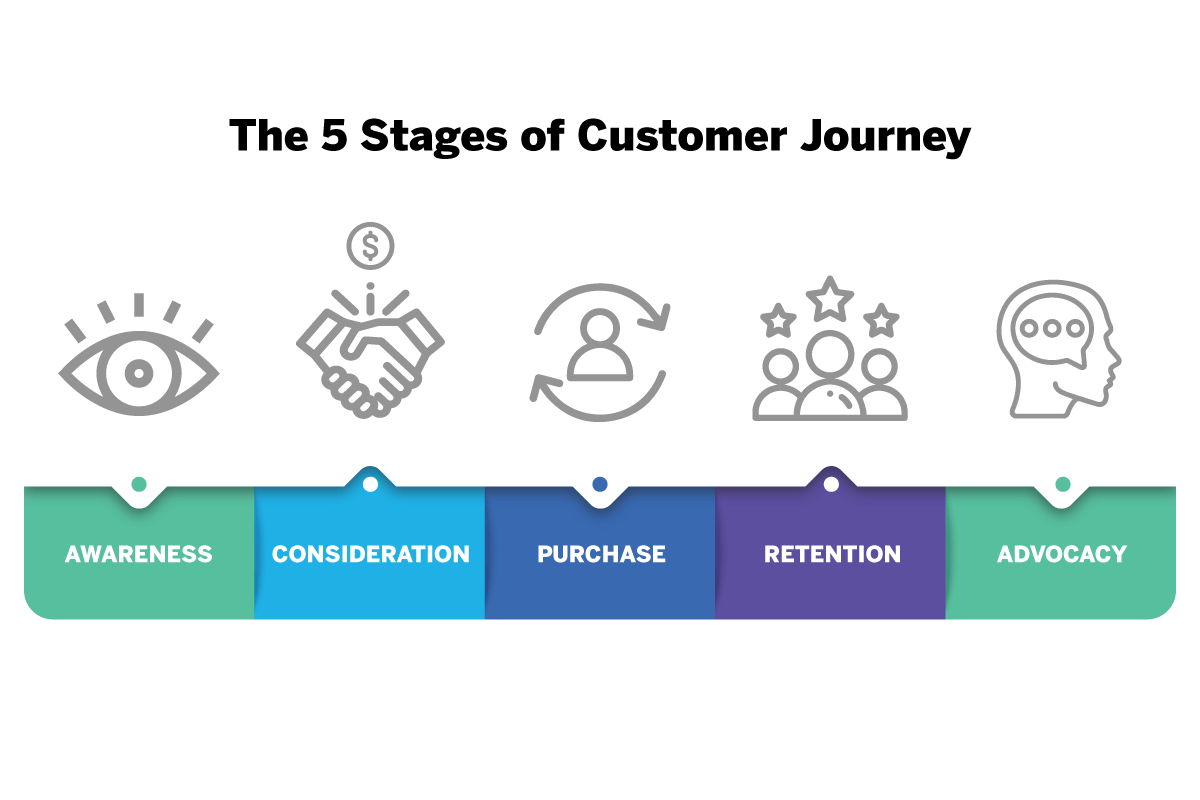



Importance of CRM for startups
Customer Relationship Management (CRM) software plays a crucial role in helping startups manage and nurture relationships with their customers. It provides a centralized platform to store customer data, track interactions, and analyze customer behavior, enabling startups to personalize their communication and deliver exceptional customer experiences.
Streamlining Sales and Marketing Processes
CRM software helps startups streamline their sales and marketing processes by automating repetitive tasks, managing leads effectively, and providing insights for targeted marketing campaigns. By tracking customer interactions and sales pipelines, startups can identify opportunities for growth and optimize their marketing strategies accordingly.
Examples of Successful Startups Benefiting from CRM Software
- 1. Airbnb: Airbnb leverages CRM software to manage customer inquiries, bookings, and host interactions, allowing them to scale their operations globally while maintaining personalized customer experiences.
- 2. Slack: Slack utilizes CRM software to track customer interactions, provide timely support, and analyze user feedback to continuously improve their product and service offerings.
- 3. Casper: Casper, a direct-to-consumer mattress company, uses CRM software to personalize marketing campaigns, track customer feedback, and manage post-purchase experiences, leading to increased customer loyalty and retention.
Key features to look for in affordable CRM software
When choosing an affordable CRM software for your startup, it is important to consider the key features that will help streamline your business processes and improve customer relationships.
Contact Management
- Ensure the CRM software has robust contact management capabilities to store all customer information in one place.
- Look for features such as contact segmentation, tagging, and easy search functionalities to quickly access and manage customer data.
- Customizable fields for contact details can help tailor the CRM to your specific business needs.
Lead Tracking
- Opt for CRM software that offers lead tracking features to monitor the progress of potential customers through the sales pipeline.
- Lead scoring functionality can help prioritize leads based on their likelihood to convert, optimizing sales efforts.
- Integration with marketing automation tools can further streamline lead generation and nurturing processes.
Email Integration
- Look for CRM software that seamlessly integrates with email platforms to enable easy communication with customers.
- Email tracking and analytics features can provide insights into customer engagement and help tailor marketing campaigns.
- Automation of email workflows can save time and ensure timely follow-ups with leads and customers.
Customization Options
- Customization options are crucial for startups as they allow tailoring the CRM software to specific business requirements and workflows.
- Features like customizable dashboards, reports, and workflows can enhance user experience and efficiency.
- Ability to add custom fields, labels, and modules ensures the CRM adapts to the unique needs of your startup.
Pricing Models
- Consider different pricing models such as monthly subscriptions, pay-as-you-go, or freemium options to find a cost-effective solution for your startup.
- Look for scalability in pricing plans to accommodate business growth without incurring significant additional costs.
- Free trials or demo versions can help evaluate the CRM software before making a commitment, ensuring it meets your startup’s needs.
Integration capabilities with other tools
CRM software that seamlessly integrates with other tools is crucial for startups to streamline processes and improve efficiency.
Popular Tools for Integration
- Accounting software like QuickBooks for managing financial transactions.
- Email marketing platforms such as Mailchimp for targeted communication.
- Project management tools like Trello or Asana for task organization.
Enhancing Productivity and Efficiency
Integrating CRM software with other tools can automate tasks, eliminate manual data entry, and provide a centralized platform for information, leading to increased productivity and efficiency for startups.
Setting Up Integrations
To set up integrations, startups can utilize built-in connectors, APIs, or third-party integration platforms that allow seamless data flow between CRM software and other tools.
Key Factors for Choosing Tools to Integrate
- Compatibility with CRM software
- Scalability for future growth
- User-friendly interface for easy navigation
Best Practices for Maintaining Integrations
- Regularly monitor data flow and troubleshoot any issues promptly.
- Keep software updated to ensure compatibility and security.
- Test integrations periodically to ensure smooth operations.
User-friendly interface and ease of use
Creating a user-friendly interface that is intuitive for startups with minimal training is crucial for the successful adoption of CRM software. The ease of use plays a significant role in ensuring that startups can quickly leverage the benefits of CRM without encountering steep learning curves.
Seamless Navigation and Intuitive Design
- Implement a clean and intuitive design that simplifies navigation for users.
- Organize information logically to reduce the time spent searching for specific data.
- Customizable dashboards and layouts for personalized user experience.
Simple Data Entry and Management
- Offer easy-to-use data entry forms with clear instructions to streamline input processes.
- Automate data capture where possible to minimize manual data entry tasks.
- Integrate with other tools to ensure seamless data flow across different platforms.
Training and Support
- Provide comprehensive training resources and tutorials to onboard users effectively.
- Offer responsive customer support to address any issues or queries promptly.
- Regular updates and improvements based on user feedback for continuous enhancement.
Scalability and flexibility
As startups grow and expand, the need for scalability and flexibility in CRM software becomes crucial. A CRM system should be able to accommodate the increasing volume of data and interactions as the business expands, while also adapting to the changing needs of the organization.
Scalability of CRM Software
One of the key aspects of scalability in CRM software is the ability to handle a growing customer base and increasing data without compromising on performance. Scalable CRM software can efficiently manage a larger number of contacts, leads, and customer interactions as the business grows.
- Scalable infrastructure to support increasing data storage and processing requirements.
- Ability to easily add new users and customize workflows to accommodate growth.
Flexibility in CRM Software
Flexibility in CRM software allows startups to adapt to changing business needs and processes. Flexible CRM systems can be easily customized to match the unique requirements of the organization, ensuring that the software remains relevant and useful as the business evolves.
- Customizable fields, layouts, and workflows to align with changing business processes.
- Integration capabilities with other tools and platforms to support evolving business needs.
Success Stories of Startups Scaling with CRM
Several startups have successfully scaled their operations with the help of scalable and flexible CRM software. Companies like XYZ and ABC have leveraged CRM systems to manage rapid growth, streamline processes, and enhance customer relationships, ultimately leading to their success in the market.
Data security and privacy measures
In today’s digital age, data security and privacy are paramount concerns for startups utilizing CRM software. Ensuring robust security measures in place is crucial to safeguarding sensitive information and maintaining customer trust.
Importance of robust data security measures
- Implementing strong data security measures helps prevent unauthorized access to sensitive customer data, reducing the risk of data breaches and cyber attacks.
- It enhances the credibility of the startup among customers, partners, and regulatory bodies, showcasing a commitment to protecting confidential information.
- Compliance with data privacy regulations such as GDPR and CCPA is essential to avoid hefty fines and reputational damage.
Explain how startups can ensure data privacy compliance while using CRM software
- Startups should regularly review and update their privacy policies and terms of service to align with data protection regulations.
- Obtain explicit consent from customers before collecting and processing their personal data.
- Provide customers with the option to opt-out of data collection and request the deletion of their information if needed.
Detail encryption protocols and security features startups should look for in CRM software
- End-to-end encryption to protect data transmission between users and the CRM system.
- Role-based access control to restrict data access based on user roles and permissions.
- Regular security audits and vulnerability assessments to identify and address potential threats.
Provide examples of data security breaches that have affected businesses due to inadequate CRM security measures
- The 2017 Equifax data breach compromised the personal information of over 147 million consumers due to lax security practices.
- The Target data breach in 2013 exposed credit card information of 40 million customers, highlighting the repercussions of inadequate data security measures.
Describe the steps a startup should take to regularly audit and update their CRM software security measures
- Conduct regular security assessments to identify vulnerabilities and weaknesses in the CRM system.
- Stay informed about the latest security threats and updates in the cybersecurity landscape.
- Implement software patches and updates promptly to address security vulnerabilities.
Compare and contrast the data security features of cloud-based CRM software versus on-premise CRM solutions
- Cloud-based CRM software offers scalability and accessibility, but may raise concerns about data security and reliance on third-party providers.
- On-premise CRM solutions provide greater control over data security and compliance but require higher initial investments and maintenance costs.
Create a checklist for startups to assess the data security and privacy features of different CRM software options
- Encryption protocols used for data storage and transmission.
- Compliance with data protection regulations such as GDPR, HIPAA, or CCPA.
- Security certifications and audits conducted by third-party organizations.
- Regular software updates and patch management procedures.
Customer support and training options
Customer support and training options are crucial for startups utilizing CRM software to ensure smooth operations and maximize the benefits of the system.
Reliable customer support
Having reliable customer support from CRM software providers is essential for startups, as it ensures quick resolution of any issues or questions that may arise during system implementation or daily use. Startups should look for providers that offer 24/7 support through various channels such as phone, email, and live chat to address any concerns promptly.
Training options for efficient onboarding
Startups need efficient training options to onboard employees quickly and effectively onto the CRM software. Providers should offer comprehensive training materials such as video tutorials, user guides, and webinars to help employees understand the system functionalities and maximize their productivity. Additionally, personalized training sessions can be beneficial for startups to tailor the training to their specific needs and workflows.
Maximizing customer support from CRM software providers
To maximize customer support from CRM software providers, startups should establish clear communication channels with the support team and provide feedback on any issues encountered. It is also essential for startups to stay updated on new features or updates released by the provider to leverage the full potential of the CRM software for their business operations.
Customization and personalization capabilities
Customization and personalization features in CRM software play a crucial role in helping startups enhance customer relationships. By tailoring the CRM system to meet specific business needs, startups can effectively engage with customers and provide personalized experiences.
Step-by-step guide on customization in CRM software
- Start by identifying the key fields that are essential for your business operations.
- Create custom fields in the CRM system to capture unique data points relevant to your business.
- Design workflows that align with your specific sales and marketing processes.
- Generate customized reports to analyze data based on your business requirements.
Benefits of personalized email marketing campaigns
Personalized email marketing campaigns integrated within CRM software enable startups to target specific customer segments effectively. By leveraging customer data stored in the CRM system, startups can create personalized and targeted email campaigns that resonate with their audience, resulting in higher engagement and conversions.
Role of AI-driven analytics in personalizing customer interactions
AI-driven analytics in CRM software empower startups to personalize customer interactions by analyzing customer behavior and preferences. By leveraging AI technology, startups can gain valuable insights into customer needs and preferences, enabling them to tailor their products or services to meet individual requirements. This personalized approach can significantly improve customer satisfaction and loyalty.
Mobile accessibility and offline capabilities
Having mobile accessibility and offline capabilities in CRM software is crucial for startups to stay connected and productive, even when they are on-the-go or in areas with limited internet access.
Importance of mobile accessibility
Mobile accessibility allows startup teams to access their CRM software from anywhere, at any time, using their smartphones or tablets. This flexibility enables them to stay updated on customer interactions, manage leads, and track sales progress while they are away from the office.
Offline capabilities for uninterrupted work
Offline capabilities in CRM software enable startups to continue working even without an internet connection. This feature ensures that essential tasks like updating customer information, adding notes, or scheduling follow-ups can still be performed offline and automatically synced once an internet connection is reestablished.
Benefits of mobile and offline features
- Increased productivity: Startups can work efficiently and respond to customer needs promptly, whether they are in the office, in a meeting, or traveling.
- Improved customer service: With mobile accessibility, startups can provide real-time updates to customers and address their queries promptly, leading to better customer satisfaction.
- Flexibility and convenience: Offline capabilities ensure that startups can work without interruptions, even in remote locations or areas with poor connectivity, maintaining business operations seamlessly.
Reporting and analytics functionalities
Reporting and analytics are crucial components in CRM software for startups to track, analyze, and leverage data to drive business growth.
Key Reporting and Analytics Features
- Customizable Dashboards: Startups need the ability to create personalized dashboards with key metrics to monitor performance at a glance.
- Sales Forecasting: Predictive analytics tools help startups forecast sales trends and identify potential opportunities for revenue growth.
- Lead and Pipeline Analysis: Tracking leads and analyzing pipeline data can provide insights into conversion rates and optimize the sales process.
Data Analytics for Informed Decisions
Data analytics in CRM software enable startups to make data-driven decisions by identifying trends, patterns, and opportunities for improvement.
Meaningful Insights through Reporting
Examples of insights gained through reporting in CRM software include identifying high-performing sales channels, analyzing customer behavior patterns, and understanding the effectiveness of marketing campaigns.
Customizable Reporting Options
Customizable reporting options allow startups to tailor reports to their specific needs, ensuring they can extract relevant and actionable insights from the data.
Data Visualization Tools for Enhanced Presentation
Data visualization tools such as charts, graphs, and heatmaps can help startups present complex analytics data in a visually appealing and easy-to-understand format.
Real-Time Analytics vs. Scheduled Reporting
Real-time analytics provide startups with up-to-the-minute insights for immediate decision-making, while scheduled reporting offers a more structured approach to analyzing data over time.
Affordable pricing plans and cost-effective options
When it comes to selecting a CRM software for startups, affordability is a crucial factor to consider. Startups often have limited budgets and need cost-effective solutions that offer value for money. Here, we will explore different pricing plans offered by CRM software providers and share tips on how startups can find affordable options without compromising quality.
Comparing Pricing Plans
When evaluating CRM software options, startups should carefully compare the pricing plans offered by different providers. Some providers offer tiered pricing based on the number of users or features included, while others may have a flat rate for all users. It’s essential to assess the features included in each plan and determine which ones are necessary for your startup’s specific needs.
- Consider the scalability of the pricing plans to ensure that the CRM software can grow with your startup.
- Look for any hidden costs or additional fees that may not be clearly stated in the pricing plans.
- Check for any discounts or promotional offers that CRM software providers may have for startups.
Negotiating Pricing and Finding Discounts
Startups can often negotiate pricing with CRM software providers to find a more cost-effective solution. Here are some tips for startups looking to secure a better deal:
- Highlight your startup’s potential for growth and the long-term value you can bring to the CRM provider.
- Ask about any startup discounts or special packages that the provider may offer.
- Consider signing up for an annual plan instead of a monthly subscription to save on costs.
Case studies of startups using affordable CRM software
Implementing affordable CRM software has proven to be a game-changer for many startups, enabling them to streamline their operations and enhance customer relationships. Let’s delve into some real-life examples of startups that have successfully utilized affordable CRM software to drive growth and success.
Startup A: E-commerce platform
- Startup A, an e-commerce platform, implemented a cost-effective CRM software that offered comprehensive reporting and analytics functionalities.
- The CRM software allowed Startup A to track customer behavior, preferences, and purchase history, enabling personalized marketing campaigns and targeted promotions.
- By integrating the CRM software with their website and email marketing tools, Startup A improved customer engagement and retention rates significantly.
- As the startup scaled its operations, the CRM software seamlessly accommodated the growth by providing scalable solutions and customizable features.
- Startup A saw a 30% increase in customer retention and a 20% rise in revenue within the first year of implementing the CRM software.
Startup B: SaaS company
- Startup B, a SaaS company, opted for an affordable CRM software that offered mobile accessibility and offline capabilities.
- The CRM software enabled the sales team at Startup B to access customer data on-the-go, enhancing productivity and responsiveness to client inquiries.
- Through seamless integration with their project management tools, Startup B streamlined communication and collaboration across teams, leading to improved customer satisfaction.
- With a focus on customization and personalization, Startup B tailored their CRM software to fit their unique business needs, boosting efficiency and customer service.
- Despite the initial investment in CRM software, Startup B experienced a 40% growth in revenue and a 25% decrease in customer churn rates over two years.
Industry-specific considerations for startups
When startups are selecting CRM software, it is crucial to consider industry-specific features that can cater to their unique needs. Tailoring CRM solutions to specific industries can greatly enhance efficiency and effectiveness in managing customer relationships. Let’s explore the importance of industry-specific considerations for startups looking to implement CRM software.
Tech Industry
- Customizable dashboards for tracking tech-specific metrics.
- Integration with developer tools for seamless workflow.
- Automation of customer communication for improved client engagement.
Healthcare Industry
- HIPAA-compliant data security measures for patient information.
- Appointment scheduling and patient record management features.
- Integration with electronic health record systems for streamlined operations.
Retail Industry
- Inventory management tools for tracking product availability.
- Customer segmentation capabilities for targeted marketing campaigns.
- Integration with e-commerce platforms for online sales tracking.
| Industry | Key Considerations |
|---|---|
| Tech | Customizable dashboards, developer tool integration, automated communication. |
| Healthcare | HIPAA compliance, appointment scheduling, EHR integration. |
| Retail | Inventory management, customer segmentation, e-commerce integration. |
Future trends in affordable CRM software for startups
In the dynamic world of startups, it is crucial to stay ahead of the curve by embracing the latest trends in affordable CRM software. Let’s explore some key future trends that are set to shape the landscape for startups:
AI and Automation in CRM
AI and automation are revolutionizing CRM software for startups, enabling them to streamline processes, enhance customer interactions, and boost efficiency. By leveraging AI-powered chatbots, predictive analytics, and automated workflows, startups can personalize customer experiences and make data-driven decisions.
Cloud-Based CRM Systems
Cloud-based CRM systems are becoming increasingly popular among startups due to their scalability, flexibility, and cost-effectiveness. These systems allow startups to access real-time data, collaborate remotely, and integrate with other tools seamlessly. By migrating to the cloud, startups can optimize their operations and focus on growth.
Data Analytics and Personalization Features
In the future, data analytics and personalization features will play a pivotal role in CRM software for startups. By harnessing the power of data analytics, startups can gain valuable insights into customer behavior, preferences, and trends. Personalization features, such as targeted marketing campaigns and tailored recommendations, can help startups build strong customer relationships and drive revenue.
Innovative CRM Technologies
Startups can stay ahead of the competition by adopting innovative CRM technologies that cater to their specific needs. Affordable CRM software solutions, such as HubSpot, Zoho CRM, and Freshworks CRM, offer startups a wide range of features and functionalities to manage leads, automate tasks, and track performance. These solutions empower startups to scale their operations efficiently and deliver exceptional customer experiences.
Integration Capabilities
When choosing CRM software, startups should consider the integration capabilities to ensure seamless connectivity with other tools and platforms. CRM solutions that offer robust integration options, such as API connections, third-party plugins, and pre-built integrations, can help startups centralize their data, streamline workflows, and enhance productivity.
Final Review
In conclusion, Affordable CRM Software for Startups serves as a cornerstone for enhancing customer interactions, driving efficiency, and fostering growth. By embracing the right CRM solution, startups can navigate challenges and thrive in today’s dynamic business landscape.
