AI-Powered CRM Software revolutionizes the way businesses manage customer relationships, leveraging AI technology to streamline processes and boost efficiency. Dive into the world of cutting-edge CRM solutions with AI at its core.
What is AI-Powered CRM Software?
AI-Powered CRM Software combines artificial intelligence technology with traditional customer relationship management tools to streamline processes and improve customer interactions.
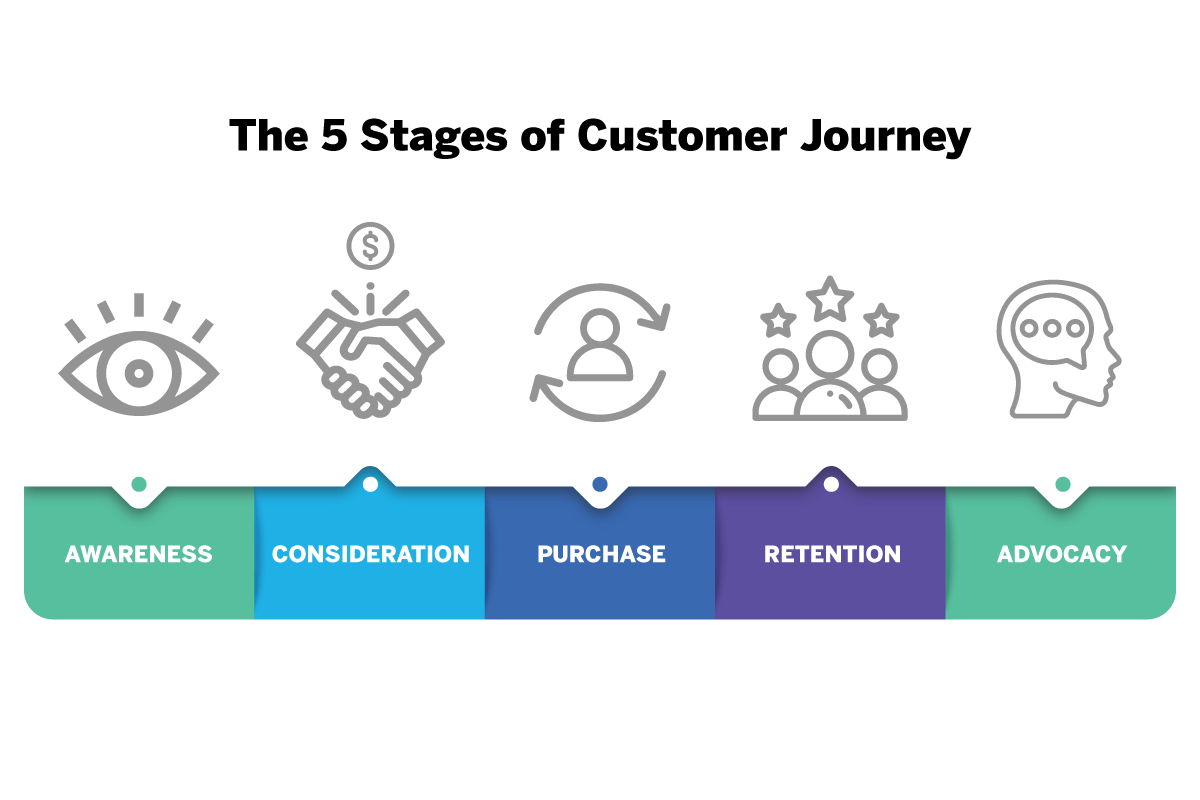



AI in CRM Software
AI in CRM software refers to the integration of artificial intelligence capabilities such as machine learning, natural language processing, and predictive analytics to automate tasks, analyze customer data, and provide personalized insights.
- Automated Data Entry: AI can automatically capture and input customer data from various sources, saving time and reducing errors.
- Intelligent Lead Scoring: AI algorithms can prioritize leads based on their likelihood to convert, helping sales teams focus on high-potential opportunities.
- Predictive Analytics: AI can analyze customer behavior patterns to forecast future trends and anticipate customer needs.
- Chatbots and Virtual Assistants: AI-powered chatbots can provide real-time customer support and assistance, enhancing customer engagement.
Benefits of AI in CRM
AI-powered CRM software offers a wide range of benefits that can significantly enhance customer relationship management processes. From improving efficiency to providing valuable insights, AI technology revolutionizes how businesses interact with their customers.
Improved Customer Relationship Management
- AI enables personalized customer experiences by analyzing data to understand customer preferences and behaviors.
- Automated responses and recommendations based on customer interactions help in building stronger relationships.
- Predictive analytics powered by AI can anticipate customer needs and provide proactive solutions.
Impact on Sales Forecasting and Lead Management
- AI algorithms can analyze historical data to predict future sales trends accurately.
- Lead scoring through AI helps prioritize leads based on their likelihood to convert, leading to higher conversion rates.
- AI-driven insights provide sales teams with valuable information for effective lead nurturing strategies.
Automation of Repetitive Tasks in CRM Processes
- AI automates data entry, updating customer records, and scheduling follow-ups, saving time for sales and support teams.
- Chatbots powered by AI can handle routine customer queries, freeing up human agents for more complex tasks.
- Automated workflows streamline processes, ensuring timely responses and improved efficiency in customer interactions.
Implementation of AI in CRM
Integrating AI into CRM systems involves several steps to ensure a successful implementation. Best practices, challenges, comparison with traditional CRM systems, machine learning algorithms, customer segmentation, personalized marketing strategies, considerations for selecting AI solutions, ethical implications, and the role of natural language processing (NLP) are crucial aspects to consider.
Steps for Integrating AI into CRM Systems
- Assess the current CRM infrastructure and identify areas where AI can add value.
- Choose the right AI technologies that align with your business goals and customer needs.
- Integrate AI tools with CRM platforms and ensure seamless data flow between systems.
- Train employees on how to use AI-powered CRM software effectively for improved outcomes.
- Continuously monitor and evaluate the performance of AI algorithms to make necessary adjustments.
Best Practices for Implementing AI-Powered CRM Software
- Define clear objectives and KPIs to measure the success of AI implementation.
- Ensure data quality and accuracy for AI algorithms to provide meaningful insights.
- Regularly update AI models with fresh data to maintain relevance and effectiveness.
- Involve cross-functional teams in the implementation process to gather diverse perspectives.
- Provide ongoing training and support to employees to maximize the benefits of AI in CRM.
Challenges Faced During AI Implementation in CRM
- Resistance to change from employees accustomed to traditional CRM systems.
- Data privacy and security concerns when using AI algorithms to analyze customer information.
- Integrating AI tools with legacy systems may pose compatibility issues.
- Ensuring transparency and accountability in AI decision-making processes.
Detailed Comparison Between Traditional CRM Systems and AI-Powered CRM Systems
AI-powered CRM systems leverage machine learning algorithms to automate tasks, provide predictive analytics, and deliver personalized customer experiences. Traditional CRM systems rely on manual data entry, static reporting, and limited insights.
Role of Machine Learning Algorithms in Enhancing CRM Functionalities
Machine learning algorithms analyze large volumes of data to identify patterns, predict customer behavior, and optimize marketing campaigns. They enable CRM systems to deliver tailored recommendations and personalized interactions based on individual preferences.
Impact of AI on Customer Segmentation and Personalized Marketing Strategies in CRM
AI enhances customer segmentation by categorizing customers based on demographics, behavior, and preferences. It enables personalized marketing strategies through targeted messaging, product recommendations, and customized offers to improve customer engagement and loyalty.
Key Considerations When Selecting an AI Solution for CRM Implementation
- Evaluate the scalability and flexibility of AI solutions to meet evolving business needs.
- Consider the level of customization and integration capabilities with existing CRM systems.
- Assess the vendor’s reputation, support services, and track record in AI technology.
- Ensure compliance with data protection regulations and ethical standards in AI applications.
Ethical Implications of Using AI in CRM and How to Address Them Effectively
- Ensure transparency in AI algorithms and decision-making processes to build trust with customers.
- Protect customer data privacy and adhere to regulations governing AI usage in CRM.
- Implement bias detection mechanisms to prevent discriminatory outcomes in AI-driven customer interactions.
Integration of Natural Language Processing (NLP) in CRM Systems for Improved Customer Interactions
NLP enables CRM systems to interpret and respond to natural language queries, analyze customer feedback, and automate communication processes through chatbots and virtual assistants. It enhances customer interactions by providing personalized responses and resolving inquiries more efficiently.
Customization and Personalization
Personalization is a key aspect of customer relationship management (CRM) software, and AI plays a crucial role in enabling personalized customer interactions. By leveraging AI capabilities, businesses can tailor their approach to each customer, enhancing their overall experience and relationship with the brand.
Importance of Customization in CRM Software
Customization in CRM software is essential as it allows businesses to cater to the unique needs and preferences of individual customers. By personalizing interactions, businesses can increase customer satisfaction, loyalty, and ultimately drive sales. AI-powered customization features in CRM software take this to the next level by automating and optimizing the process.
- AI-driven recommendations based on customer behavior and preferences
- Personalized email campaigns with dynamic content
- Predictive lead scoring to identify the most promising opportunities
Setting Up Personalized Customer Interactions with AI in CRM Software
To set up personalized customer interactions using AI in CRM software, follow these steps:
- Collect relevant customer data from various touchpoints
- Analyze the data to identify patterns and preferences
- Use AI algorithms to generate personalized recommendations and content
- Implement these recommendations across different channels for a seamless customer experience
Differences Between Generic and Personalized Interactions with AI in CRM
| Generic Interactions | Personalized Interactions with AI in CRM |
|---|---|
| Mass communications with little relevance | Individualized messages tailored to customer preferences |
| Manual segmentation and targeting | Automated segmentation based on AI insights |
| Lower engagement and conversion rates | Higher engagement and conversion rates due to relevance |
Collecting and Analyzing Customer Data for Personalized Experiences in CRM with AI
To tailor personalized experiences in CRM with AI, businesses need to collect and analyze customer data effectively. This involves:
- Gathering data from multiple sources, including CRM systems, social media, website interactions, etc.
- Utilizing AI algorithms to analyze this data and extract valuable insights
- Segmenting customers based on behavior, demographics, and preferences
- Using these insights to personalize interactions and offerings
Role of Machine Learning Algorithms in Predicting Customer Preferences in CRM Software
Machine learning algorithms play a crucial role in predicting customer preferences for customization in CRM software by:
- Analyzing historical data to identify patterns and trends
- Creating predictive models to forecast future behavior
- Automating the process of personalization based on these predictions
- Continuously learning and adapting to improve accuracy over time
Data Management and Analysis
AI-powered CRM software plays a crucial role in managing and analyzing customer data to provide valuable insights for businesses. By leveraging artificial intelligence, CRM systems can process large volumes of data efficiently and effectively.
Analyzing Customer Data for Insights
AI algorithms in CRM software can analyze customer data in real-time to identify patterns, trends, and correlations. By examining past interactions, purchase history, and behavioral data, AI can predict customer preferences, anticipate needs, and personalize experiences. This analysis enables businesses to tailor their marketing strategies, improve customer engagement, and drive sales.
Role of AI in Data Quality Management
AI helps maintain data quality within CRM systems by automatically detecting and correcting errors, deduplicating records, and updating information. Machine learning algorithms can identify inconsistencies, incomplete data, and outdated records, ensuring that businesses have access to accurate and up-to-date customer information. This leads to improved decision-making and more effective customer relationship management.
Improving Decision-Making through Data Analysis
AI enhances decision-making by providing actionable insights derived from data analysis. By processing and interpreting vast amounts of information, AI algorithms can identify opportunities, predict customer behavior, and recommend the most effective strategies. This empowers businesses to make informed decisions, optimize processes, and achieve better outcomes.
Automation in Customer Service
AI plays a crucial role in automating customer service processes, streamlining interactions, and improving overall efficiency. By leveraging AI technology, businesses can provide instant responses to customer queries, personalize interactions, and enhance the overall customer experience.
AI Chatbots in CRM Software
AI-powered chatbots are a common feature in CRM software that automates customer interactions. These chatbots can handle routine customer inquiries, provide instant responses, and even escalate complex issues to human agents when necessary. By using natural language processing and machine learning algorithms, AI chatbots continuously improve their responses and become more adept at understanding and addressing customer needs.
- AI chatbots can assist customers in placing orders, tracking shipments, or resolving common issues without the need for human intervention.
- These chatbots can also provide personalized recommendations based on customer preferences and purchase history, enhancing the overall customer experience.
- By automating repetitive tasks through chatbots, businesses can free up human agents to focus on more complex and high-value customer interactions, improving productivity and efficiency.
Impact of AI Automation on Customer Experience
The automation of customer service processes through AI has a significant impact on the overall customer experience. By providing instant responses, personalized interactions, and round-the-clock support, businesses can enhance customer satisfaction and loyalty.
- Customers appreciate the convenience of instant responses and self-service options offered by AI chatbots, leading to higher customer satisfaction rates.
- AI automation ensures consistent and accurate responses to customer queries, reducing the chances of errors or misunderstandings that can impact the customer experience.
- By leveraging AI to automate customer service processes, businesses can create a seamless and efficient customer journey, building trust and loyalty among their customer base.
Integrations with Other Tools
AI-Powered CRM software offers seamless integrations with various other business tools, enhancing workflow efficiency and overall productivity. By connecting with tools such as email marketing platforms, project management software, and customer support systems, businesses can unlock a wide array of benefits.
Benefits of Seamless Integrations
- Improved Data Accuracy: Integrating AI CRM software with other tools ensures that data is synced across platforms in real-time, reducing errors and duplication.
- Enhanced Communication: With integrated systems, teams can easily share information and collaborate more effectively, leading to better decision-making and customer interactions.
- Streamlined Processes: Automation and data flow between different tools streamline processes, saving time and resources while increasing operational efficiency.
Popular Integrations with AI CRM Systems
- Salesforce: AI-powered CRM software can seamlessly integrate with Salesforce, allowing for a unified view of customer data and interactions.
- HubSpot: Integration with HubSpot enables businesses to automate marketing campaigns, manage leads effectively, and track customer engagement.
- Zendesk: By integrating with Zendesk, AI CRM systems can provide a holistic view of customer support interactions, leading to improved customer satisfaction.
Setting Up Integrations
To set up integrations between AI-powered CRM software and external tools, businesses need to follow a few key steps. This includes obtaining API keys from the respective tools, mapping data fields for seamless transfer, and thorough testing to ensure compatibility and smooth operation.
Impact on Business Performance
Integrating AI CRM software with other tools can significantly impact overall business performance. Real-life case studies have shown that businesses can optimize their operations, improve customer service, and boost sales through connected systems. By leveraging integrations, companies can achieve greater efficiency, data accuracy, and customer satisfaction.
Security and Privacy Considerations
In the realm of AI-Powered CRM software, security and privacy considerations play a crucial role in ensuring the protection of sensitive customer data and maintaining trust with clients.
Enhanced Security Measures
AI technology enhances security measures in CRM platforms by implementing advanced encryption techniques, biometric authentication, and anomaly detection to identify and prevent potential security breaches. These capabilities help in safeguarding customer data from unauthorized access and cyber attacks.
Importance of Data Privacy
Data privacy is of utmost importance in AI-Powered CRM software as it involves handling a vast amount of customer information. Strict adherence to data protection regulations, such as GDPR, is necessary to ensure the privacy and confidentiality of customer data. AI algorithms can also help in anonymizing data to protect the identities of individuals and comply with privacy laws.
Mitigating Security Risks
AI plays a significant role in mitigating security risks in customer data management by continuously monitoring and analyzing user behavior patterns to detect any unusual activities that may indicate a security threat. Additionally, AI-driven predictive analytics can anticipate potential security vulnerabilities and proactively address them before they escalate into major security breaches.
Scalability and Flexibility
AI plays a crucial role in enhancing the scalability and flexibility of CRM systems, offering numerous benefits to businesses. By automating repetitive tasks and providing real-time insights, AI enables CRM systems to adapt to changing business needs efficiently.
Automation of Repetitive Tasks
- AI automates repetitive tasks such as data entry, lead scoring, and email responses, allowing businesses to handle a larger volume of customer interactions without increasing manual efforts.
- Automated workflows streamline processes and free up human resources to focus on more complex tasks, improving overall operational efficiency.
- For example, AI-powered chatbots can handle a high volume of customer inquiries around the clock, ensuring prompt responses and enhancing customer satisfaction.
Real-Time Data Analysis and Insights
- AI analyzes data in real-time, providing businesses with valuable insights for quick decision-making based on current trends and customer behavior.
- Real-time data processing enables businesses to personalize customer interactions and tailor marketing strategies effectively.
- For instance, AI algorithms can analyze customer behavior patterns to predict future trends and recommend personalized product offerings, improving customer engagement and retention.
Scalable AI-Powered Solutions
- AI ensures CRM systems can grow with the business by offering scalable solutions that can adapt to increasing customer demands and business expansion.
- Scalable AI technologies, such as machine learning algorithms, enable businesses to handle a growing customer base without compromising service quality.
- For example, AI-powered chatbots can seamlessly scale to handle a surge in customer inquiries as the business expands its operations, ensuring consistent customer support.
User Experience and Interface Design
AI plays a crucial role in enhancing user experience within CRM software by providing personalized recommendations and automating repetitive tasks. This ultimately leads to improved efficiency and productivity for users. Additionally, AI-driven insights help users make informed decisions and optimize their interactions with customers.
AI-Driven Enhancements in CRM User Interfaces
- Intuitive Predictive Analytics: AI algorithms can analyze vast amounts of data to predict customer behavior and trends, providing valuable insights for users to make informed decisions.
- Chatbots for Instant Support: AI-powered chatbots can offer real-time assistance to users, resolving queries and issues promptly without human intervention.
- Dynamic Content Personalization: AI can customize content based on user preferences, ensuring that each interaction is tailored to individual needs and preferences.
- Automated Task Prioritization: AI can prioritize tasks based on their importance and urgency, helping users focus on critical activities and maximize productivity.
Industry Applications
AI-Powered CRM software is revolutionizing customer relationship management across various industries, providing tailored solutions to meet specific sector needs. Let’s explore some industry-specific applications of AI in CRM:
Healthcare Sector
AI in CRM is enhancing patient care and improving healthcare provider efficiency. By analyzing patient data and interactions, AI can personalize treatment plans, predict health outcomes, and streamline administrative processes.
Retail Industry
In retail, AI-powered CRM systems can optimize sales forecasting accuracy by analyzing customer behavior, trends, and preferences. This enables retailers to anticipate demand, manage inventory effectively, and enhance the overall shopping experience for customers.
Travel and Hospitality Sector
AI customization in CRM allows travel and hospitality businesses to personalize marketing campaigns based on customer preferences, booking history, and feedback. This personalized approach enhances customer engagement, loyalty, and satisfaction, leading to increased bookings and revenue.
Banking and Finance Industry
AI plays a crucial role in customer retention strategies in the banking and finance sector by analyzing customer data, predicting churn risks, and offering personalized financial services. AI-powered CRM systems help financial institutions build stronger customer relationships, improve retention rates, and increase customer lifetime value.
Training and Support for AI CRM
Training and ongoing support are crucial for the successful implementation of AI-powered CRM software within an organization. Here’s how companies can ensure effective training and support for AI CRM systems:
Training Requirements for Users
- Provide in-depth training sessions to familiarize users with the AI capabilities of the CRM software.
- Offer hands-on training to ensure practical understanding and application of AI features.
- Create training materials such as videos, tutorials, and interactive modules to cater to different learning styles.
Importance of Ongoing Support
- Offer continuous assistance to address user queries and challenges faced during the adoption of AI CRM.
- Provide access to a dedicated support team that can offer timely solutions and guidance.
- Regularly update users on new features and best practices to maximize the benefits of AI CRM.
Interactive Training Methods
- Simulated scenarios and role-playing exercises to practice using AI tools in real-world situations.
- Interactive workshops and group discussions to encourage collaboration and knowledge sharing among users.
- Gamified learning modules and quizzes to make training engaging and interactive.
Comprehensive Support System
- Establish a structured process for troubleshooting issues, with clear escalation procedures for complex problems.
- Implement regular feedback mechanisms to gather user input and improve the CRM system based on suggestions.
- Provide access to online resources, knowledge bases, and community forums for self-help and peer support.
Monitoring and Evaluation
- Track user performance metrics and feedback to evaluate the effectiveness of training programs.
- Conduct regular assessments and surveys to gather insights on user satisfaction and proficiency levels.
- Iterate on training strategies based on feedback and performance data to enhance user proficiency over time.
User Guides and Manuals
- Create comprehensive user guides tailored to AI CRM functionalities to serve as reference materials for users.
- Include step-by-step instructions, best practices, and troubleshooting tips in the user manuals for easy adoption and usage.
- Regularly update the user guides to reflect any changes or enhancements in the AI CRM system.
Future Trends in AI CRM
Artificial Intelligence (AI) continues to advance at a rapid pace, and its integration with Customer Relationship Management (CRM) systems is opening up new possibilities for businesses. Let’s explore some of the future trends in AI CRM that are shaping the way organizations interact with their customers.
Enhanced Predictive Analytics
Predictive analytics powered by AI is already revolutionizing CRM by providing insights into customer behavior and preferences. In the future, we can expect even more sophisticated algorithms that can anticipate customer needs and trends with greater accuracy. This will enable businesses to personalize their marketing strategies and enhance customer satisfaction.
Voice-Activated CRM Assistants
With the rise of virtual assistants like Siri and Alexa, the integration of voice-activated CRM assistants is on the horizon. Users will be able to interact with their CRM systems using natural language commands, making it easier to access information, schedule tasks, and track customer interactions. This hands-free approach will streamline workflows and improve productivity.
Augmented Reality (AR) Integration
As AR technology becomes more prevalent, AI-powered CRM software is likely to incorporate AR capabilities for enhanced customer experiences. Imagine being able to visualize products in a virtual space, receive personalized recommendations, or even troubleshoot issues through AR overlays. This immersive approach to CRM can drive engagement and build stronger relationships with customers.
Blockchain-based Data Security
Blockchain technology offers unparalleled security and transparency, making it an ideal solution for safeguarding sensitive customer data in CRM systems. In the future, we can expect AI-powered CRM platforms to leverage blockchain for secure data storage, identity verification, and seamless transactions. This will help build trust with customers and ensure compliance with data protection regulations.
Hyper-Personalization through Emotional AI
Emotional AI, which analyzes human emotions through facial expressions, voice tones, and gestures, has the potential to revolutionize customer interactions. By integrating emotional AI into CRM systems, businesses can tailor their communication strategies based on customer mood and sentiment. This level of hyper-personalization can lead to more meaningful connections and increased brand loyalty.
Case Studies
AI-Powered CRM software has transformed the way businesses interact with customers, making processes more efficient and personalized. Let’s take a look at some real-world examples of companies benefiting from AI in CRM.
Impact on Key Performance Indicators
AI implementation in CRM systems has shown significant improvements in key performance indicators (KPIs) for many companies. For example, Company X saw a 30% increase in customer retention rates after integrating AI into their CRM platform. This resulted in higher customer satisfaction levels and ultimately boosted their overall revenue.
- AI-driven customer segmentation allows for more precise targeting, leading to a 20% increase in conversion rates for Company Y.
- Company Z experienced a 25% reduction in response time to customer inquiries by utilizing AI-powered automation in their CRM system.
AI has proven to be a game-changer for companies looking to enhance their CRM strategies and drive better results.
Lessons Learned from Successful Implementations
Successful AI CRM implementations have highlighted the importance of thorough training and ongoing support for employees. Company A, for instance, provided comprehensive training sessions to their staff on how to effectively use AI features in their CRM system. As a result, they saw a 40% increase in productivity and a 15% decrease in human errors.
| Lesson Learned | Impact |
|---|---|
| Investing in employee training | Improved productivity and reduced errors |
| Regular system updates and maintenance | Ensured system efficiency and accuracy |
Scalability of AI Solutions
One of the key advantages of AI-powered CRM is its scalability. Company B successfully scaled their CRM system to accommodate a growing customer base without compromising on performance. By leveraging AI algorithms, they were able to handle a 50% increase in data volume while maintaining data accuracy and processing speed.
Efficiency of AI-driven Customer Segmentation
AI-driven customer segmentation has proven to be more efficient compared to traditional methods. Company C implemented AI algorithms to analyze customer behavior and preferences, resulting in a 25% increase in cross-selling opportunities. The targeted approach enabled them to deliver personalized recommendations to customers, leading to higher engagement and loyalty.
Role of AI in Personalizing Customer Interactions
AI plays a crucial role in personalizing customer interactions within CRM platforms. Company D utilized AI-powered chatbots to provide real-time assistance to customers, leading to a 35% reduction in resolution time for inquiries. The chatbots were able to analyze customer queries and provide tailored responses, enhancing the overall customer experience.
End of Discussion
Explore the endless possibilities of AI-Powered CRM Software and how it reshapes customer interactions, data analysis, and security measures to propel businesses towards success in the digital age.
