Best CRM For Real Estate Agents: Enhancing Client Relationships And Marketing Strategies

Starting with Best CRM for Real Estate Agents, this introduction delves into the significance of CRM systems in the real estate industry, focusing on efficient client management and marketing tactics.
The subsequent paragraphs will explore key features, popular options, implementation strategies, integration with real estate tools, data security measures, customization options, reporting and analytics, mobile applications, training and support, future trends, success stories, challenges, and cost-benefit analysis for real estate agents.
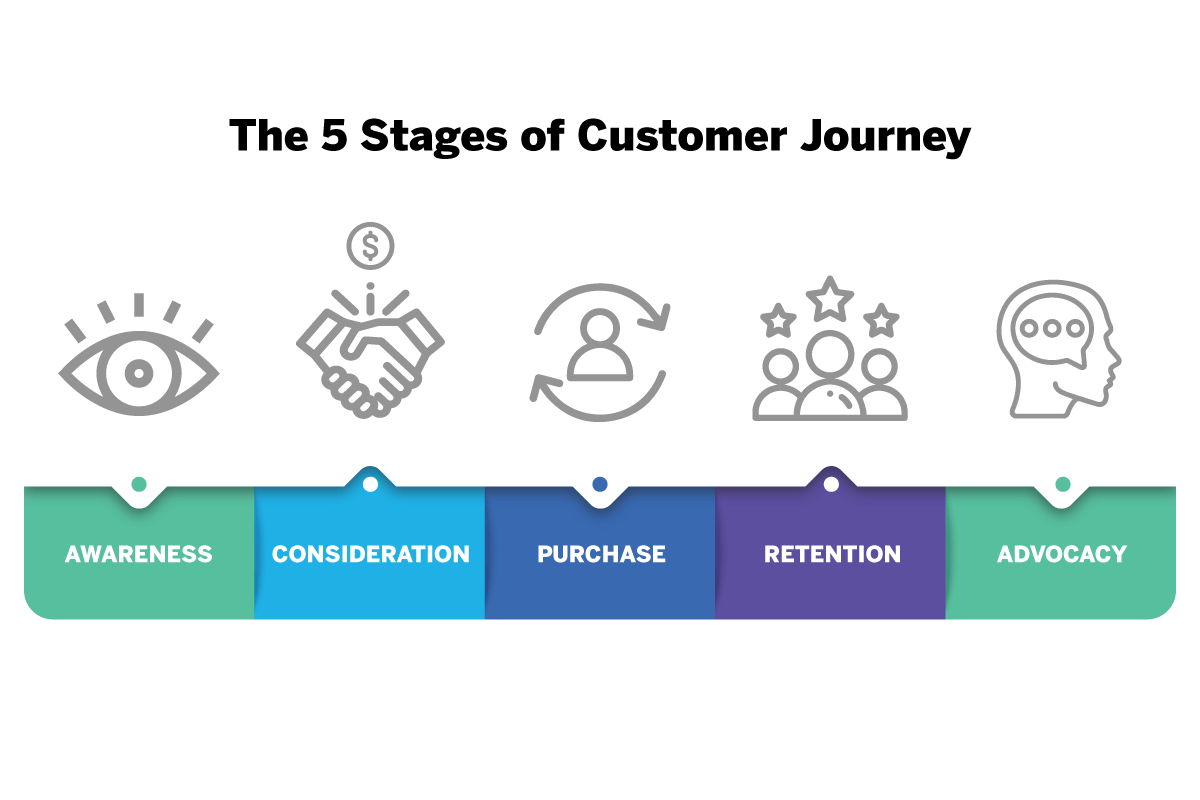



Introduction to CRM for Real Estate Agents
CRM, or Customer Relationship Management, plays a crucial role in the real estate industry by helping agents effectively manage client relationships. These systems streamline processes, improve communication, and enhance overall efficiency in the real estate business.
Tasks Automated by CRM Systems for Real Estate Agents
- Lead Management: CRM systems can automatically capture, track, and prioritize leads, ensuring no potential client is overlooked.
- Follow-Up Reminders: Agents can set up automated reminders for follow-ups with clients, ensuring timely communication and nurturing relationships.
- Email Marketing: CRM systems enable personalized email campaigns, helping agents reach out to clients with relevant and targeted content.
Benefits of Using CRM in Real Estate Marketing Strategies
- Improved Client Engagement: CRM systems allow agents to provide personalized services, leading to higher client satisfaction and retention.
- Data Organization: Agents can store and access client information easily, allowing for more informed and efficient decision-making.
- Enhanced Lead Generation: CRM systems help agents identify potential leads and track their interactions, leading to increased opportunities for conversion.
Key Features to Look for in a CRM for Real Estate Agents
When selecting a CRM system for real estate agents, it’s crucial to consider key features that can streamline your workflow and enhance productivity. Here are some essential features to look for:
Contact Management
Contact management is a fundamental feature in a CRM system for real estate agents. It allows you to organize and categorize your contacts efficiently, making it easier to track interactions, schedule follow-ups, and manage client information effectively.
Lead Tracking
Lead tracking is another vital feature to consider. A good CRM system should enable you to capture, nurture, and convert leads seamlessly. By tracking the progress of leads through the sales funnel, you can prioritize your efforts and focus on high-potential prospects.
Pipeline Management
Pipeline management is essential for real estate agents to visualize and manage their sales pipeline effectively. A CRM system with pipeline management capabilities allows you to track the status of deals, identify bottlenecks, and forecast future revenue with greater accuracy.
Integrations with Other Tools
Integration with other tools like email marketing platforms and real estate listing websites is crucial for a comprehensive CRM solution. Seamless integration ensures a seamless flow of data between different systems, enabling you to leverage the full potential of your CRM and maximize your marketing efforts.
Mobile Access
Mobile access is a must-have feature for real estate agents who are constantly on the go. A CRM system with mobile capabilities allows you to access important client information, respond to leads, and update records anytime, anywhere, ensuring you never miss a beat.
Customizable Dashboards
Customizable dashboards provide real estate agents with personalized insights into their performance and key metrics. By customizing dashboards to display relevant data, agents can gain valuable insights, identify trends, and make informed decisions to drive success in their business.
Popular CRM Options for Real Estate Agents
When it comes to choosing a CRM platform for real estate agents, there are several popular options to consider. Let’s compare and contrast some of the top CRM platforms such as Salesforce, Zoho CRM, and HubSpot CRM to help you make an informed decision.
Salesforce CRM
Salesforce is a well-known CRM platform that offers a wide range of features for real estate agents. It provides robust tools for lead management, contact tracking, and automated marketing campaigns. Salesforce offers various pricing plans based on the number of users and features required, making it scalable for both individual agents and large real estate firms. User reviews often highlight the platform’s customization options and integrations with other business tools.
Zoho CRM
Zoho CRM is another popular choice for real estate agents looking for a comprehensive CRM solution. It offers features like lead management, pipeline management, and email marketing automation. Zoho CRM provides affordable pricing plans with a free version available for small teams. Users appreciate the platform’s user-friendly interface and the ability to customize workflows to suit their specific needs.
HubSpot CRM
HubSpot CRM is known for its user-friendly interface and powerful marketing automation tools. It offers features like lead scoring, email tracking, and integration with HubSpot’s marketing platform. HubSpot CRM is free to use with paid add-ons available for advanced features. User reviews often praise the platform’s simplicity and the seamless integration with other HubSpot tools.
Overall, each of these CRM platforms has its own strengths and unique features that cater to the needs of real estate agents. It’s essential to evaluate your specific requirements and budget to choose the CRM that best fits your business.
Implementing CRM in Real Estate Agencies
Implementing a CRM system in a real estate agency can greatly enhance efficiency, productivity, and client relationships. Here’s a step-by-step guide on how to successfully select, customize, and optimize a CRM system for your real estate business.
Selecting the Right CRM System
When choosing a CRM system for your real estate agency, consider factors such as scalability, integration capabilities, and user-friendliness. Here’s how to select the right CRM system:
- Assess your agency’s current and future needs to determine the scalability requirements of the CRM system.
- Evaluate the CRM system’s integration capabilities with other tools and software used in your agency.
- Ensure the CRM system is user-friendly and easy to navigate for all agents and staff members.
Customizing the CRM System
Customizing the CRM system to meet the specific needs of your real estate agency is crucial for maximizing its benefits. Here’s a detailed guide on customizing the CRM system:
- Set up property listings and categorize them based on different criteria such as location, type, and price range.
- Implement lead management processes to track and nurture potential clients effectively.
- Automate communications with clients through personalized emails, reminders, and updates.
Ensuring High Adoption Rates
To ensure high adoption rates among real estate agents, consider implementing the following strategies:
- Conduct regular training sessions to familiarize agents with the CRM system and its features.
- Offer incentives or rewards for agents who actively use the CRM system and achieve set goals.
- Provide ongoing support and assistance to address any issues or questions agents may have regarding the CRM system.
Data Migration and KPIs
Mapping out data migration from existing systems to the new CRM platform is essential for maintaining data accuracy and consistency. Additionally, establishing key performance indicators (KPIs) can help measure the success of the CRM implementation in your real estate agency.
By following these steps and strategies, you can effectively implement a CRM system in your real estate agency and optimize its benefits for improved business operations and client relationships.
CRM Integration with Real Estate Tools
Integrating CRM systems with real estate tools can significantly enhance the efficiency and effectiveness of real estate agents. By seamlessly connecting CRM with various platforms, agents can streamline their processes and better manage their client relationships.
Integrating CRM with MLS Databases and Property Listing Websites
- CRM systems can be integrated with MLS databases and property listing websites to automatically update property information and client data.
- This integration ensures that agents have access to real-time listings and can provide accurate information to clients without manual input.
Benefits of Integrating CRM with Email Marketing Platforms
- Integrating CRM with email marketing platforms allows agents to create targeted campaigns based on client preferences and interactions.
- This integration enables agents to send personalized emails to clients, increasing engagement and conversion rates.
Possibilities of Integrating CRM with Virtual Tour Software
- By integrating CRM with virtual tour software, agents can showcase properties to clients in a more immersive and interactive way.
- This integration enhances the property viewing experience for clients, leading to higher interest and faster sales.
Setting Up Automated Notifications within CRM Systems
- Automated notifications can be set up within CRM systems to alert agents of important events, such as new leads or upcoming appointments.
- This feature ensures that agents never miss a crucial interaction or follow-up, improving overall client satisfaction.
Customized Reporting Features through CRM Integration
- CRM integration with real estate tools allows agents to generate customized reports on various metrics, such as client interactions, property viewings, and sales performance.
- These reports provide valuable insights for agents to make informed decisions and optimize their sales strategies.
Best Practices for Maintaining Data Accuracy when Syncing CRM
- Regularly audit and clean up data to ensure accuracy when syncing CRM with different real estate platforms.
- Implement data validation processes to prevent duplicate entries or errors that could impact the effectiveness of the CRM system.
Data Security and Compliance in Real Estate CRM
Data security is a critical aspect when it comes to CRM systems for real estate agents. Protecting sensitive information such as client details, property listings, and financial data is paramount to maintaining trust and credibility in the industry.
Importance of Data Security Measures
Implementing robust data security measures in CRM systems helps to safeguard confidential information from unauthorized access, breaches, or cyber threats. Encryption, secure login credentials, regular data backups, and access control are some of the key features that ensure data protection.
- Utilize encryption techniques to secure data both in transit and at rest.
- Implement multi-factor authentication to prevent unauthorized access to CRM systems.
- Regularly update security patches and software to mitigate vulnerabilities.
- Train employees on data security best practices to prevent internal threats.
Compliance Requirements like GDPR
Real estate agents need to comply with data protection regulations such as the General Data Protection Regulation (GDPR) to protect the privacy of individuals’ data. CRM systems play a vital role in helping agents adhere to these regulations by providing tools for data consent management, data portability, and data erasure requests.
- Ensure CRM systems have GDPR compliance features like consent tracking and data encryption.
- Obtain explicit consent from clients before storing their personal information in CRM databases.
- Enable clients to access, edit, or delete their data upon request to comply with GDPR guidelines.
- Regularly audit CRM systems to ensure compliance with data protection laws and regulations.
Tips for Ensuring Data Privacy and Protection
To enhance data privacy and protection when using CRM for real estate activities, agents can follow these tips:
- Educate staff members on the importance of data security and privacy.
- Implement strong password policies and regular password updates.
- Restrict access to sensitive data based on job roles and responsibilities.
- Regularly review and update privacy policies to reflect current data protection standards.
CRM Customization for Real Estate Agents
Customizing CRM systems for real estate agents is crucial for optimizing workflows and enhancing productivity. By tailoring CRM tools to specific needs, agents can streamline processes and improve client interactions.
Personalized Fields and Templates
- Agents can create custom fields in CRM systems to track important client details such as property preferences, budget, and communication history.
- Templates can be designed for emails, contracts, and marketing materials, ensuring consistency in messaging and branding.
- Personalized fields and templates help agents provide a more personalized and efficient service to clients, ultimately leading to higher satisfaction and retention rates.
Lead Management Integration
- Integrating lead management tools within CRM systems allows agents to capture, track, and nurture leads effectively.
- Automated lead assignment and follow-up reminders ensure that no potential opportunity falls through the cracks.
- By centralizing lead management within CRM, agents can easily prioritize leads and focus on the most promising prospects.
Automated Email Campaigns
- Setting up automated email campaigns in a real estate CRM platform enables agents to engage with clients at every stage of the buying or selling process.
- Drip campaigns, personalized content, and targeted messaging can all be automated to save time and increase engagement.
- Automated email campaigns help agents stay top of mind with clients and prospects, leading to higher conversion rates and repeat business.
Analytics and Reporting Features
- CRM systems for real estate professionals offer robust analytics and reporting features to track performance, measure ROI, and identify trends.
- Agents can generate reports on lead conversion rates, marketing effectiveness, and client engagement to make data-driven decisions.
- Analytics tools provide insights into agent productivity, client preferences, and market trends, helping agents refine their strategies and achieve success.
CRM Reporting and Analytics for Real Estate Agents
Reporting and analytics play a crucial role in CRM for real estate agents as they provide valuable insights into the performance of their business. By tracking key metrics and analyzing data, agents can make informed decisions to improve their operations and increase their success.
Key Metrics to Track
- Lead Conversion Rates: Monitoring how many leads are converting into actual sales can help agents determine the effectiveness of their lead generation strategies and sales processes.
- Sales Performance: Tracking sales performance metrics such as total sales volume, average deal size, and closing ratios can provide agents with a clear picture of their overall success and areas for improvement.
- Customer Engagement: Analyzing customer interactions, response times, and feedback can help agents understand their clients’ needs and preferences better, leading to more personalized and effective communication.
Benefits of CRM Analytics
- Improved Decision Making: By leveraging CRM analytics, real estate agents can make data-driven decisions based on actual performance metrics rather than relying on intuition or guesswork.
- Enhanced Efficiency: Identifying trends and patterns in data can help agents streamline their processes, allocate resources more effectively, and optimize their workflow for better results.
- Targeted Marketing Strategies: With detailed insights from CRM analytics, agents can tailor their marketing campaigns to target specific audiences, resulting in higher conversion rates and ROI.
Mobile CRM Applications for Real Estate Agents
Mobile CRM applications play a crucial role in the real estate industry, especially for agents who are constantly on the move. These applications provide agents with the flexibility to manage their leads, clients, and tasks efficiently from anywhere, at any time. Let’s explore the significance of mobile CRM apps for real estate agents and how they can leverage these tools to boost their productivity.
Importance of Mobile CRM Applications
- Mobile CRM apps enable real estate agents to access important client information, property details, and communication logs on the go, ensuring they stay informed and responsive.
- Features like geolocation tracking help agents locate properties and clients easily, optimizing their time and resources while enhancing customer service.
- Instant notifications for new leads, messages, or appointments ensure that agents never miss a crucial opportunity or follow-up, leading to increased efficiency and better lead management.
Top Mobile CRM Apps for Real Estate Agents
- 1. Propertybase: Known for its user-friendly interface and robust features tailored for real estate professionals.
- 2. Zoho CRM: Offers a mobile app with customizable modules and seamless integration with other Zoho tools for comprehensive client management.
- 3. Follow Up Boss: Focuses on lead tracking and communication, with mobile capabilities that empower agents to stay connected on the move.
Setting Up a Mobile CRM Application
To set up a mobile CRM application, real estate agents should:
- Download the app from the respective app store.
- Log in with their CRM account credentials.
- Sync the app with their CRM database to access relevant information.
Effective Utilization of Mobile CRM Apps
Real estate agents can maximize the benefits of mobile CRM apps by:
- Regularly updating client information and property details to ensure accurate data management.
- Setting reminders and alerts for important tasks and follow-ups to stay organized and proactive.
- Utilizing real-time messaging and calling features to communicate with clients promptly and build strong relationships.
Comparison of Pricing Plans
| Mobile CRM App | Pricing Plans | Subscription Options |
|---|---|---|
| Propertybase | Starting from $29/user/month | Monthly, Annual |
| Zoho CRM | Starting from $12/user/month | Monthly, Annual |
| Follow Up Boss | Starting from $69/user/month | Monthly, Annual |
Customizing Mobile CRM Applications
Real estate agents can customize mobile CRM apps by:
- Adapting the interface to display key metrics and data points relevant to their business.
- Creating custom fields to capture unique information about clients, properties, and transactions.
- Integrating third-party tools and plugins to enhance the functionality of the CRM app based on specific requirements.
CRM Training and Support for Real Estate Agents
Training and support are crucial components when it comes to effectively using CRM tools in the real estate industry. Let’s explore the significance of comprehensive training programs and ongoing support for real estate agents using CRM systems.
Importance of Comprehensive Training Programs
- CRM providers that offer detailed training programs help real estate agents understand the full potential of the CRM system.
- Training sessions can cover various aspects such as data entry, lead management, automation features, and reporting tools.
- Comprehensive training ensures that agents can make the most out of their CRM investment and increase productivity.
Maximizing CRM Usage Through Ongoing Support
- Ongoing support from CRM providers is essential for addressing any issues or questions that may arise during daily usage.
- Access to resources like FAQs, video tutorials, and customer support channels can help agents troubleshoot and optimize their CRM usage.
- Regular updates and training materials keep agents informed about new features and best practices for CRM utilization.
Examples of CRM Vendors with Excellent Customer Service
- HubSpot CRM: Known for its user-friendly interface and extensive customer support resources.
- Zoho CRM: Offers personalized training sessions and dedicated account managers for real estate agents.
- Salesforce CRM: Provides comprehensive training webinars and a vast online community for support and knowledge sharing.
Key Features to Look for in a CRM System
- Interactive training modules integrated within the CRM platform.
- 24/7 customer support through multiple channels like chat, email, and phone.
- Regularly updated knowledge base with troubleshooting guides and best practices.
Step-by-Step Guide for Integrating CRM Tools into Daily Workflow
- Start by attending training sessions provided by the CRM vendor to understand the platform’s capabilities.
- Create a plan for CRM implementation, including data migration and customization according to your real estate agency’s needs.
- Encourage team members to use CRM features consistently and provide ongoing support to address any challenges.
Benefits of Attending CRM Training Webinars or Workshops
- Gain insights into advanced CRM functionalities that can streamline real estate operations.
- Connect with industry experts and peers to exchange tips and strategies for maximizing CRM benefits.
- Stay updated on the latest trends and innovations in CRM technology tailored for real estate professionals.
- The integration of Artificial Intelligence (AI) and automation is revolutionizing CRM for real estate agents by streamlining processes, predicting client behavior, and personalizing interactions.
- Augmented Reality (AR) and Virtual Reality (VR) are poised to enhance the CRM experience for agents and clients alike, allowing for immersive property viewings and virtual staging.
- Blockchain technology holds the potential to transform data security and transparency in real estate CRM systems, ensuring the integrity of transactions and protecting sensitive information.
- One real estate agent saw a significant increase in lead conversion rates after implementing a CRM system. By utilizing automated follow-up features and personalized communication, they were able to nurture leads more effectively, resulting in a higher conversion rate.
- Another agent utilized CRM analytics to track lead behavior and preferences, allowing them to tailor their marketing strategies accordingly. This led to a boost in lead engagement and ultimately, higher conversion rates.
- A real estate agent shared how CRM helped them centralize client information, enabling them to provide personalized services and timely responses. This led to a stronger client-agent relationship and increased client satisfaction.
- By setting up automated reminders for important dates and milestones, another agent was able to stay in touch with clients more efficiently, leading to repeat business and referrals.
- One agent credited CRM for streamlining their workflow and task management. By utilizing the calendar and task features, they were able to prioritize activities, stay organized, and ultimately, increase productivity.
- Another agent highlighted how CRM integration with email marketing tools saved them time and effort, allowing them to focus on high-value tasks and client interactions. This resulted in a significant boost in overall productivity.
- Lack of familiarity with new technology may lead to resistance among real estate agents.
- Agents may be comfortable with their existing methods and reluctant to adopt new systems.
- Solution: Provide comprehensive training and emphasize the benefits of CRM to motivate agents to embrace the change.
- Setting up and configuring CRM systems can be complex and time-consuming.
- Integration with existing tools and databases may present compatibility issues.
- Solution: Work closely with IT professionals or CRM providers to ensure seamless integration and resolve technical issues promptly.
- Insufficient training on how to effectively use CRM systems can hinder adoption and utilization.
- Agents may struggle to navigate the system, leading to underutilization of its features.
- Solution: Offer comprehensive training sessions, workshops, and ongoing support to ensure agents are proficient in using the CRM platform.
- Improved Lead Management: CRM systems streamline the process of capturing, organizing, and nurturing leads, leading to higher conversion rates.
- Enhanced Communication: Agents can communicate more effectively with clients through automated emails, reminders, and personalized messages.
- Data Centralization: All client information, transactions, and interactions are stored in one place, facilitating easy access and reference.
- Task Automation: Routine tasks like follow-ups, scheduling appointments, and sending notifications can be automated, saving time and increasing productivity.
- Evaluate Current Processes: Identify areas where CRM can streamline operations and enhance customer interactions.
- Select the Right CRM Solution: Choose a system that aligns with the agency’s goals, scalability, and budget.
- Training and Adoption: Provide comprehensive training to agents and staff to ensure successful integration and utilization of the CRM system.
- Monitor and Optimize: Continuously monitor performance metrics and gather feedback to make necessary adjustments and improvements.
Future Trends in Real Estate CRM
In the ever-evolving world of real estate, the role of CRM systems for agents is continuously adapting to new technologies and trends. Let’s explore some of the future trends shaping the landscape of real estate CRM.
Emerging Technologies in Real Estate CRM
Success Stories of Real Estate Agents Using CRM
Implementing a CRM system has proven to be a game-changer for many real estate agents, leading to increased sales, improved customer relationships, and enhanced productivity. Let’s delve into some real-life success stories of agents who have leveraged CRM to their advantage.
Increased Lead Conversion Rates
Improved Client Relationships
Boost in Overall Productivity
Challenges Faced by Real Estate Agents in CRM Implementation
Real estate agents often encounter various challenges when implementing CRM systems to streamline their processes and enhance client relationships. These challenges can range from resistance to change to technical difficulties and inadequate training. However, with proper planning and effective strategies, these obstacles can be overcome to ensure a successful CRM integration.
Resistance to Change
Technical Difficulties
Inadequate Training
Cost-Benefit Analysis of CRM for Real Estate Agents
Investing in a CRM system for real estate agents involves weighing the upfront costs against the long-term benefits and return on investment (ROI). By examining the specific features and functionalities of CRM systems, real estate agents can determine how these tools can help save time, increase efficiency, and ultimately generate more leads to justify the initial investment.
Benefits of CRM Implementation for Real Estate Agents
Real-Life Case Studies of CRM Success in Real Estate Agencies
ABC Realty implemented a CRM system and saw a 30% increase in lead conversion within the first six months. By leveraging the system’s analytics, they were able to target high-potential leads more effectively.
XYZ Properties integrated a CRM solution and experienced a 20% reduction in administrative tasks, allowing agents to focus more on client relationships and revenue-generating activities.
Integrating CRM into the Workflow of a Real Estate Agency
Outcome Summary
To wrap up, this comprehensive guide sheds light on the essential aspects of CRM for real estate agents, providing valuable insights and recommendations to navigate the dynamic landscape of the industry effectively.