CRM software cost sets the stage for this enthralling narrative, offering readers a glimpse into a story that is rich in detail and originality. From factors influencing costs to cost-benefit analysis and cost-saving strategies, this exploration delves into the intricacies of CRM software expenses.
Factors influencing CRM software cost
When considering the cost of CRM software, there are several key factors that can influence pricing. Understanding these factors can help businesses make informed decisions when selecting a CRM solution.
Customization Requirements
- Customization requirements play a significant role in determining the cost of CRM software. The more customization needed to meet specific business processes and requirements, the higher the cost is likely to be.
- Businesses should carefully assess their customization needs and balance them with budget constraints to find a solution that offers the right level of customization without unnecessary expenses.
Scalability
- Scalability is another factor that impacts CRM software costs. A scalable CRM solution can grow with the business, accommodating increased data, users, and functionalities over time.
- Investing in a scalable CRM system may involve higher upfront costs but can result in long-term cost savings by avoiding the need for frequent upgrades or migrations to accommodate growth.
Pricing Models
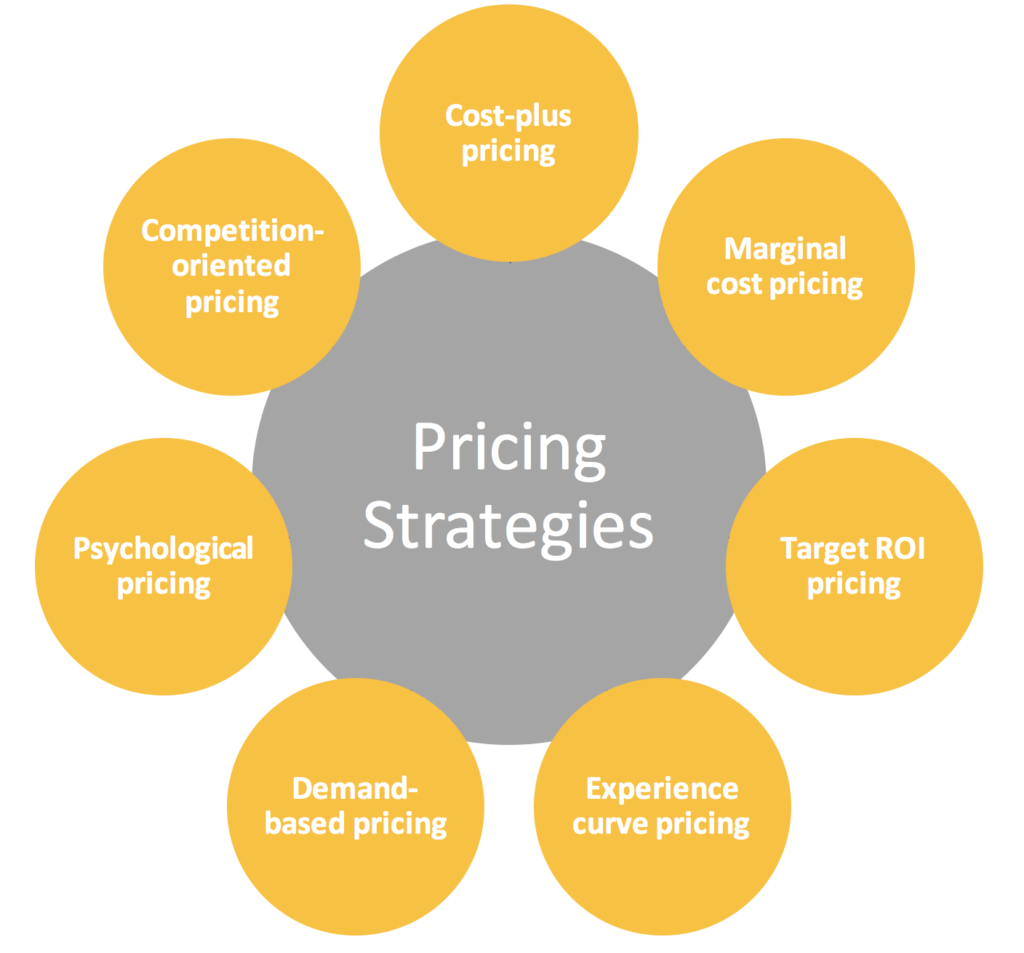
- CRM software providers offer various pricing models, such as subscription-based, per-user, or one-time licensing fees. Each pricing model has its advantages and considerations in terms of cost.
- Businesses should carefully evaluate pricing models to determine which one aligns best with their budget, scalability needs, and expected ROI from the CRM software.
Types of costs associated with CRM software
Implementing CRM software involves various types of costs that organizations need to consider. These costs can be categorized into one-time costs and recurring costs, each playing a crucial role in the overall budgeting process.
One-time Costs
- Initial Setup Costs: This includes expenses related to installing and configuring the CRM software for the organization’s specific needs.
- Licensing Fees: Organizations need to pay upfront fees for acquiring the software license, which grants them the right to use the CRM system.
- Customization Costs: Tailoring the CRM software to align with the organization’s processes and requirements may incur additional costs.
- Training Expenses: Training employees on how to use the CRM software effectively is essential and comes with associated costs.
Recurring Costs
- Ongoing Support Fees: Organizations may need to pay regular fees for maintenance, updates, and technical support services provided by the CRM software vendor.
- Subscription Fees: Some CRM software models operate on a subscription basis, requiring organizations to pay recurring fees for continued usage.
- Data Storage Costs: Storing large volumes of data within the CRM system can lead to additional expenses over time.
Conducting a thorough cost analysis before investing in CRM software is crucial to avoid unexpected financial burdens.
Hidden Costs
- Integration Costs: Integrating the CRM software with existing systems and applications may result in unforeseen expenses.
- Consulting Fees: Seeking external expertise for CRM implementation and customization can add to the overall cost.
- Hardware Upgrades: Upgrading hardware infrastructure to support the CRM software’s requirements can be an overlooked cost.
Cost-saving Strategies
- Opt for Cloud-based CRM: Cloud-based solutions typically have lower upfront costs and reduce the need for extensive hardware investments.
- Select a Scalable Solution: Choosing a CRM software that can scale with the organization’s growth can help avoid costly migrations in the future.
- Negotiate with Vendors: Engage in negotiations with CRM software vendors to potentially lower costs and secure better deals.
| Cost Category | Details |
|---|---|
| Initial Setup Costs | Installation, configuration |
| Licensing Fees | Upfront software license |
| Customization Costs | Tailoring to specific needs |
| Training Expenses | Employee training |
| Ongoing Support Fees | Maintenance, updates, support |
| Subscription Fees | Recurring usage fees |
| Data Storage Costs | Storing data within CRM |
Cost-benefit analysis of CRM software
Investing in CRM software can bring about numerous benefits that outweigh the initial costs involved. Let’s delve into the cost-benefit analysis of CRM software and how it can impact a company’s operations and bottom line.
Short-term vs. long-term ROI
- Short-term benefits of CRM software include improved customer relationships, streamlined sales processes, and better data organization.
- Long-term returns on investment for CRM software can be seen through increased customer retention, higher sales conversion rates, and overall business growth.
- While the initial investment in CRM software may seem significant, the long-term benefits far outweigh the costs, leading to improved profitability and sustainability.
Operational efficiency and cost reduction
- CRM software helps businesses automate tasks, track customer interactions, and analyze data to make informed decisions.
- By improving operational efficiency, companies can reduce manual errors, save time, and cut down on unnecessary expenses.
- Cost reduction is also achieved through targeted marketing strategies, personalized customer communication, and optimized sales processes.
Real-world examples
- Amazon utilizes CRM software to track customer purchases, preferences, and browsing behavior to offer personalized recommendations and enhance the overall shopping experience.
- Salesforce, a leading CRM software provider, helps companies like Coca-Cola streamline their sales processes, improve customer engagement, and drive revenue growth through data-driven insights.
- Zoho CRM enables businesses like Airbnb to manage customer relationships effectively, analyze performance metrics, and tailor marketing campaigns for better customer acquisition and retention.
Pricing structures offered by CRM software vendors
When it comes to CRM software, different vendors offer varying pricing structures to cater to the diverse needs of businesses. Understanding the pricing models available can help you make an informed decision based on your budget and requirements.
Subscription-based pricing
Subscription-based pricing is a common model where users pay a recurring fee at regular intervals, typically monthly or annually. This model allows for easier budgeting and scalability as you can adjust the number of users or features based on your needs.
- Advantages:
- Predictable costs
- Regular updates and support
- Scalability
- Disadvantages:
- Long-term costs may add up
- Dependency on vendor for updates
Per user pricing
Per user pricing is a straightforward model where you pay a set fee for each user accessing the CRM software. This can be beneficial for smaller teams or businesses with a fixed number of users.
- Advantages:
- Cost-effective for smaller teams
- Clear pricing structure
- Disadvantages:
- Cost can escalate with additional users
- May not be suitable for larger organizations
Factors influencing pricing structures
Various factors can influence the pricing structures set by CRM software vendors, such as the features offered, level of customization, integration capabilities, and target market. Understanding these factors can help you negotiate a better deal with vendors.
Tips for negotiating pricing
Do your research on competitors’ pricing and features to leverage during negotiations.
Consider bundling services or committing to a longer contract for potential discounts.
Ask for a free trial or demo to test the software before committing to a purchase.
Be clear about your requirements and budget constraints to find a suitable pricing plan.
Customization options and their impact on CRM software cost
When it comes to CRM software, customization options play a crucial role in determining the overall cost. Businesses need to carefully consider the level of customization required to meet their specific needs and budget constraints. Let’s dive into how different levels of customization can impact CRM software cost.
Levels of Customization in CRM Software
- Basic customization: This level typically involves minor tweaks and adjustments to pre-built templates provided by the CRM software vendor. It may include changing color schemes, adding company logos, or modifying certain fields to align with the business requirements. Basic customization is usually cost-effective and ideal for small businesses with limited customization needs.
- Advanced customization: Businesses that require more tailored solutions often opt for advanced customization. This level involves creating unique workflows, adding custom modules, integrating third-party applications, and developing specific features from scratch. Advanced customization can significantly increase the cost of CRM software but offers a high degree of flexibility and functionality.
Cost Implications of Customization Levels
- Pre-built templates vs. fully customized solutions: Choosing pre-built templates can help businesses save on upfront costs, but may limit the scalability and adaptability of the CRM software in the long run. On the other hand, fully customized solutions provide maximum flexibility and alignment with business processes, but come at a higher price point due to development and implementation expenses.
Return on Investment (ROI) Analysis
- Businesses should conduct a thorough cost-benefit analysis to evaluate the ROI of different customization features. It is essential to consider the long-term benefits of customization in terms of improved efficiency, enhanced user experience, and increased customer satisfaction. By weighing the potential ROI against the upfront cost, businesses can make informed decisions about investing in CRM software customization.
Cost-Benefit Analysis Framework
- Businesses can create a cost-benefit analysis framework to assess the value of customization features based on their specific needs and budget constraints. This framework should consider factors such as initial investment, ongoing maintenance costs, productivity gains, customer retention, and competitive advantage. By quantifying the benefits and costs associated with customization, businesses can determine the optimal level of customization that offers the best value for their investment.
Total cost of ownership (TCO) for CRM software
When evaluating CRM software costs, understanding the Total Cost of Ownership (TCO) is crucial. TCO represents the overall cost associated with purchasing, implementing, and maintaining the CRM software over its lifecycle.
Components of TCO for CRM software
- Initial purchase price
- Implementation costs
- Training expenses
- Maintenance fees
- Potential customization expenses
These components contribute to the total cost of ownership and should be carefully considered when budgeting for CRM software.
Comparison of TCO between on-premise and cloud-based CRM solutions
- Hardware costs: On-premise solutions require upfront hardware investment, while cloud-based solutions operate on the vendor’s infrastructure.
- Scalability: Cloud-based solutions offer easier scalability options compared to on-premise solutions.
- Security: On-premise solutions provide more control over data security, but cloud-based solutions offer advanced security features.
- Ongoing maintenance: Cloud-based solutions typically have lower ongoing maintenance costs compared to on-premise solutions.
Calculating the TCO of CRM software
To calculate the TCO of CRM software, follow these steps:
- Create a detailed spreadsheet to track all expenses.
- Include initial purchase price, implementation costs, training expenses, maintenance fees, and customization expenses.
- Factor in hidden costs like integration expenses, data migration costs, and downtime impact on productivity.
Importance of factoring in hidden costs
Integrating CRM software with existing systems, migrating data, and potential downtime can have a significant impact on the total cost of ownership. It’s crucial to consider these hidden costs for an accurate evaluation of CRM software expenses.
Factors to consider when budgeting for CRM software
When budgeting for CRM software, organizations need to consider several key factors to ensure they align costs with business goals and expected outcomes. By creating an accurate budget and accounting for potential cost fluctuations, companies can make informed decisions that support their CRM implementation effectively.
Key Considerations for Budgeting
- Understand the specific needs of your organization: Before budgeting for CRM software, it’s crucial to assess your company’s unique requirements and goals. Determine the features and functionalities necessary to meet these needs.
- Evaluate scalability and future growth: Consider how your CRM software needs may evolve as your business grows. Choose a solution that can scale with your organization to avoid costly upgrades or migrations in the future.
- Account for implementation and training costs: In addition to the software license, factor in expenses related to implementation, customization, and training. These costs are essential for a successful CRM deployment.
- Consider integration with existing systems: If your organization uses other software applications, ensure that the CRM solution can integrate seamlessly with these systems. Integration costs should be included in your budget.
- Assess ongoing maintenance and support expenses: Calculate the costs associated with maintaining and supporting the CRM software, including updates, patches, and technical assistance. Budget for ongoing expenses to sustain the system effectively.
Aligning Costs with Business Goals
- Define clear objectives and outcomes: Establish specific goals for your CRM implementation and align costs with these objectives. Ensure that every expense supports the achievement of desired outcomes.
- Track performance metrics: Monitor key performance indicators (KPIs) to assess the impact of CRM software on your business goals. Use data-driven insights to justify costs and optimize resources effectively.
- Regularly review and adjust the budget: Continuously evaluate your CRM budget based on performance data and feedback from users. Make necessary adjustments to ensure cost-effectiveness and alignment with business goals.
Creating a Flexible Budget
- Include contingency funds: Allocate a portion of your budget for unforeseen expenses or emergencies that may arise during CRM implementation. Having a contingency fund ensures that you can address unexpected costs without disrupting the project.
- Engage stakeholders in budget planning: Involve key stakeholders in the budgeting process to gain insights into their needs and expectations. Collaboration can help create a flexible budget that meets the diverse requirements of different departments.
- Regularly review and revise the budget: Conduct periodic reviews of your CRM budget to identify cost fluctuations and adjust allocations as needed. By staying proactive and responsive to changes, you can maintain financial stability throughout the implementation process.
Cost-effective CRM software solutions for small businesses
Small businesses often have budget constraints when it comes to investing in CRM software. It is essential to find cost-effective solutions that offer value without overspending. Here, we will explore some key considerations for small businesses looking to implement CRM software within a limited budget.
Features and functionalities to prioritize for small businesses
- Customization options for tailored solutions
- Integration capabilities with existing tools
- User-friendly interface for easy adoption
- Basic sales and marketing automation features
- Reporting and analytics for data-driven decisions
Recommendations for small businesses
When selecting CRM software for a small business, it is crucial to prioritize features that align with your specific needs. Look for affordable options that offer essential functionalities without unnecessary add-ons. Consider scalability for future growth and choose a vendor with a good reputation for customer support.
Comparison of popular CRM software solutions for small businesses
| CRM Software | Pricing Plans | Key Features | Customer Reviews |
|---|---|---|---|
| HubSpot CRM | Free plan available, Starter plan $50/month | Lead management, email tracking, contact insights | Positive reviews for ease of use and integrations |
| Zoho CRM | Free plan available, Standard plan $18/month | Sales automation, workflow management, analytics | Good feedback on customization and affordability |
| Freshsales | Blossom plan $12/month, Garden plan $25/month | Contact management, email sync, pipeline management | Appreciated for intuitive interface and value for money |
Tips for negotiating pricing or finding discounts
- Ask for discounts for annual subscriptions
- Look for promotional offers or bundle deals
- Consider negotiating with sales representatives for better pricing
- Explore options for customization packages within your budget
Integration costs of CRM software with existing systems
When integrating CRM software with existing systems, businesses often face challenges and additional costs that need to be carefully considered. Seamless integration plays a crucial role in minimizing overall CRM software costs, as it can impact efficiency and productivity in the long run.
Challenges and Costs of Integration
- Customization requirements to align with current systems
- Data migration costs for transferring information
- Training expenses for employees to adapt to the new system
- Licensing fees for integration tools or middleware
Tips for Reducing Integration Costs
- Choose CRM software with built-in integration capabilities
- Utilize APIs for seamless connection between systems
- Plan and prioritize integration phases for a smooth transition
- Invest in training programs to ensure successful adoption
Successful Integration Examples
Companies like XYZ Inc. and ABC Corp. have successfully integrated CRM software with their existing systems, resulting in improved data management and customer interactions. This has led to increased sales and customer satisfaction.
Steps in Planning the Integration Process
- Conduct a system analysis to identify integration requirements
- Define clear objectives and goals for the integration
- Create a detailed timeline and budget for the process
- Collaborate with IT experts and software vendors for support
Common Compatibility Issues
- Data format discrepancies between systems
- Integration conflicts with existing software applications
- Security concerns when sharing sensitive information
Role of Data Migration
Data migration involves transferring information from legacy systems to the new CRM software. This process is crucial for maintaining data integrity and may impact integration costs depending on the complexity of the data.
Benefits of System Analysis
Conducting a thorough system analysis before integration helps businesses identify potential challenges, streamline the process, and reduce costs. It allows for a clear understanding of system requirements and ensures a more successful integration.
Training and support costs for CRM software
Training and support are crucial components of successful CRM software implementation. Investing in proper training can significantly impact the ROI of CRM software by ensuring that users are proficient in utilizing all the features effectively.
Costs typically associated with CRM software training and support
- On-site training sessions
- Virtual training sessions
- User manuals and documentation
- 24/7 support services
- Certification programs
Importance of investing in training for maximizing ROI
Training ensures that users understand how to use the CRM software efficiently, leading to increased productivity, improved customer relationships, and better data management. It also reduces the risk of errors and ensures a smooth transition to the new system.
Recommendations for cost-effective training methods
- Online courses and webinars
- Self-paced modules and tutorials
- In-house training sessions led by experienced users
- Peer-to-peer knowledge sharing
Best practices for selecting a CRM software vendor with quality support services
- Check vendor reviews and customer feedback
- Ensure the vendor offers comprehensive training programs
- Verify the availability of technical support and response times
- Consider the cost of ongoing support and maintenance
Comprehensive training plan for CRM software implementation
Developing a detailed training plan is essential for successful CRM software adoption. This plan should include initial training sessions for all users, ongoing support for troubleshooting, and periodic refresher courses to keep users updated on new features.
Role of user adoption in CRM software success
User adoption is critical for the success of CRM software. Proper training ensures that users embrace the new system and utilize it to its full potential, leading to improved efficiency and better outcomes.
Budget breakdown for training costs
- Training fees
- Materials and resources
- Potential certification expenses
Comparison of training delivery methods
- Online courses: Flexible and convenient, but may lack personal interaction
- In-person workshops: Interactive and hands-on, but can be costly and time-consuming
- Self-paced modules: Allows users to learn at their own pace, but may require self-discipline
Needs assessment for determining training requirements
Before implementing CRM software training, conducting a needs assessment is crucial to identify the specific requirements of different user groups within the organization. This ensures that training is tailored to meet the diverse needs of users.
Cost comparison between leading CRM software providers
When it comes to choosing a CRM software provider, understanding the cost implications is crucial. Let’s compare the costs of CRM software offerings from leading providers in the market and explore how organizations can make informed decisions based on pricing and features.
Salesforce
Salesforce is a well-known CRM software provider that offers a range of features and functionalities. The pricing of Salesforce CRM varies depending on the edition and the number of users. They offer different pricing tiers to cater to the needs of small businesses as well as large enterprises. Salesforce is known for its robust customization options and integrations, which can impact the overall cost but provide immense value in terms of scalability and flexibility.
HubSpot
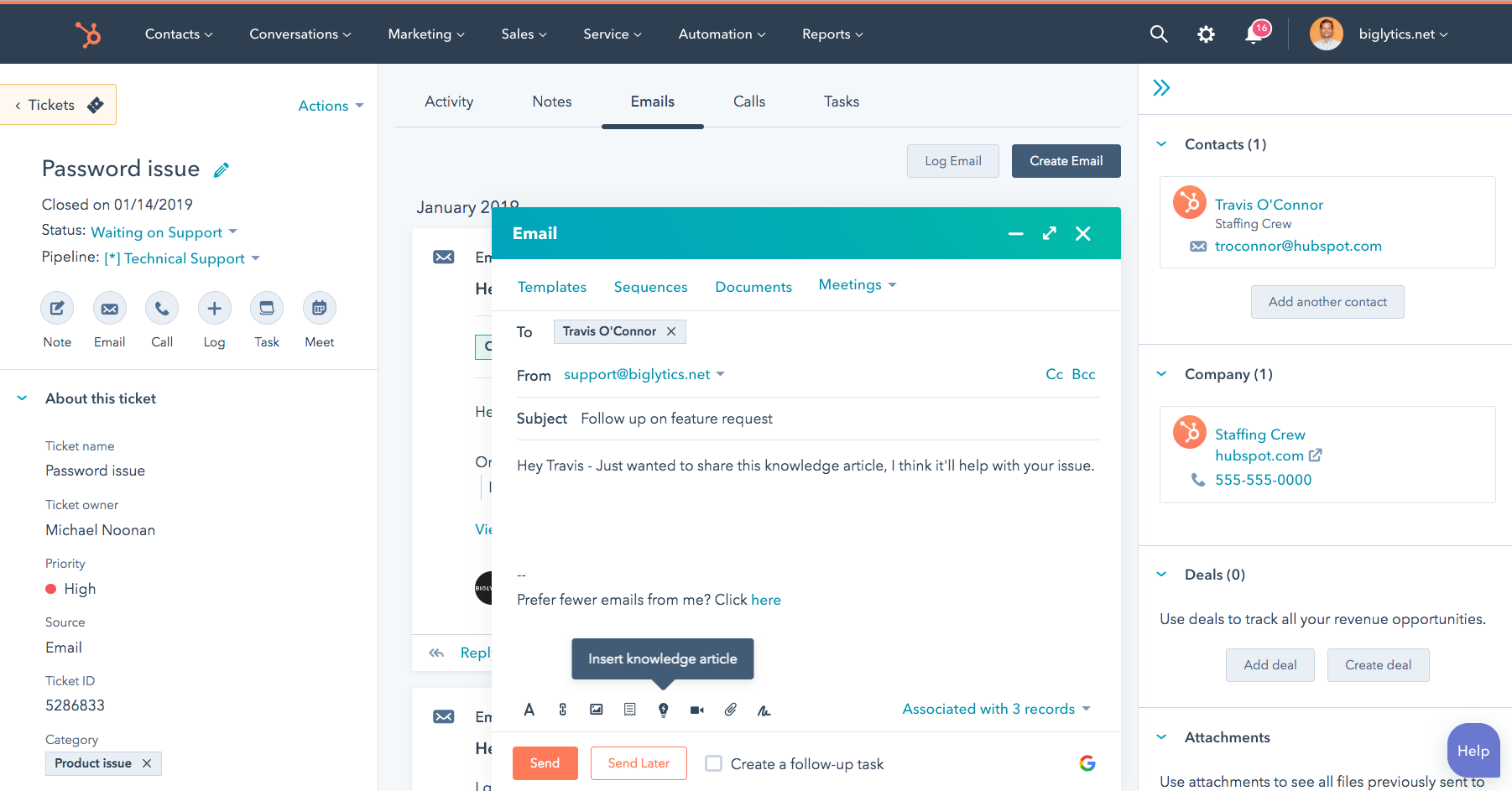
HubSpot is another popular CRM software provider that offers a free version along with paid plans. The pricing is based on the features included in each plan and the number of contacts. HubSpot’s pricing structure is transparent and easy to understand, making it a cost-effective option for businesses of all sizes. With features like marketing automation and customer service tools, HubSpot provides a comprehensive solution at competitive pricing.
Microsoft Dynamics 365
Microsoft Dynamics 365 is a CRM software solution that offers a range of modules for sales, marketing, and customer service. The pricing of Dynamics 365 is based on the specific modules chosen and the number of users. While it may have a higher upfront cost compared to other providers, Microsoft Dynamics 365 provides deep integration with other Microsoft products like Office 365, offering a seamless user experience.
Choosing the Right CRM Software Provider
When comparing the costs of leading CRM software providers, organizations should consider their specific needs, budget constraints, and long-term goals. It’s essential to look beyond the initial cost and evaluate the value proposition of each provider in terms of features, scalability, and support. By understanding the pricing structures and functionalities offered by different CRM software providers, organizations can make an informed decision that aligns with their business objectives.
Strategies for optimizing CRM software costs
Implementing strategies to optimize CRM software costs is essential for organizations looking to maximize the value of their investment. Regular cost reviews and adjustments play a crucial role in effective CRM software management. By identifying cost-saving measures that do not compromise the software’s effectiveness, businesses can ensure they are getting the most out of their CRM solution while minimizing expenses.
Regular Cost Reviews and Adjustments
It is important for organizations to conduct regular reviews of their CRM software costs to identify areas where savings can be made. This may involve assessing the utilization of different features, evaluating the need for additional modules or integrations, and renegotiating pricing with vendors based on changing requirements.
Cost-Saving Measures
- Optimizing user licenses: Ensure that you are only paying for the number of licenses needed and adjust as per user requirements.
- Automation of routine tasks: Implement automation features within the CRM software to reduce manual efforts and increase efficiency.
- Data cleanup initiatives: Regularly clean up and deduplicate data within the CRM system to avoid unnecessary storage costs.
- Training and onboarding: Invest in comprehensive training for users to maximize software utilization and avoid costly errors.
Maximizing Value while Minimizing Costs
- Focus on key functionalities: Identify and prioritize the most critical features that align with your business objectives to avoid unnecessary expenses on unused capabilities.
- Utilize vendor support effectively: Take advantage of vendor support services to address issues promptly and avoid costly downtime.
- Regularly reassess needs: As your business evolves, reassess your CRM requirements to ensure you are not overpaying for features that are no longer relevant.
Cost considerations for upgrading or migrating CRM software
When it comes to upgrading or migrating CRM software, organizations need to carefully evaluate the costs involved to make an informed decision.
Costs Associated with Upgrading or Migrating
- License Fees: Upgrading to a new CRM software version may require additional license fees, especially if the new version offers enhanced features or functionalities.
- Consulting Services: Organizations may need to hire consultants to assist with the migration process, which can add to the overall cost.
- Data Migration: Transferring data from the old CRM system to the new one can incur costs related to data mapping, cleansing, and validation.
- Training and Support: Training employees on how to use the new CRM software and ongoing support can also contribute to the overall cost.
Cost-Benefit Analysis Framework
When evaluating the cost of upgrading or migrating CRM software, organizations should consider the potential benefits such as improved efficiency, enhanced customer experience, and scalability. It’s essential to weigh these benefits against the upfront and ongoing costs to determine the return on investment.
Best Practices for Minimizing Costs
- Plan Ahead: Create a detailed migration plan and budget to avoid unexpected costs.
- Utilize In-House Resources: Leverage internal expertise to handle certain aspects of the upgrade or migration process to reduce consulting costs.
- Choose the Right Vendor: Select a CRM software vendor that offers transparent pricing and flexible payment options to align with your budget.
- Opt for Customization Wisely: Limit excessive customization that can drive up costs and prolong the implementation timeline.
Regulatory compliance costs related to CRM software
Regulatory compliance is a crucial aspect that impacts the cost of implementing CRM software in organizations. Ensuring data privacy, security, and compliance within CRM software is essential to avoid penalties and maintain customer trust.
Impact of Regulatory Compliance Requirements
- Organizations need to budget for compliance-related costs such as implementing data encryption, access controls, and audit trails within CRM software.
- Training employees on compliance requirements and conducting regular compliance audits also contribute to the overall cost.
- Organizations may need to invest in legal consultations to ensure their CRM software meets industry-specific regulations.
Selecting CRM Software Solutions for Compliance
- Choose CRM software solutions that offer built-in compliance features to reduce the need for additional layers of compliance measures.
- Look for software vendors who provide regular updates and support to address changing regulatory requirements without incurring extra costs.
- Consider cloud-based CRM solutions that offer enhanced security and compliance features as part of the service package.
Conducting a Compliance Audit
- Perform a comprehensive compliance audit to assess if CRM software meets regulatory requirements.
- Review data handling processes, security measures, and access controls to identify areas for improvement.
- Document all compliance procedures and ensure they align with industry standards to avoid non-compliance fines.
Case studies on successful CRM software cost management
Effective management of CRM software costs is crucial for organizations to maximize their return on investment. Let’s explore case studies of companies that have successfully optimized their CRM software costs.
Case Study 1: Company A
- Utilized a cloud-based CRM system to reduce infrastructure costs.
- Focused on user training to enhance system adoption and minimize support costs.
- Regularly reviewed and optimized their CRM processes to eliminate unnecessary expenses.
Company A implemented a cost-effective CRM software solution that allowed them to streamline their customer interactions and increase sales.
Key Strategies:
Case Study 2: Company B
- Negotiated pricing structures with the vendor based on their usage requirements.
- Implemented automated workflows to increase efficiency and reduce manual labor costs.
- Regularly monitored and analyzed CRM data to identify cost-saving opportunities.
Company B leveraged customization options provided by their CRM software vendor to tailor the system to their specific needs without incurring high costs.
Key Strategies:
Key Takeaways and Lessons Learned
- Emphasize user training and adoption to maximize the benefits of CRM software.
- Regularly review and optimize CRM processes to eliminate inefficiencies and reduce costs.
- Utilize customization options provided by CRM vendors to tailor the system to your organization’s needs.
Comparative Analysis Table
| Organization | Cost Management Techniques |
|---|---|
| Company A | Cloud-based CRM, User Training, Process Optimization |
| Company B | Customization, Pricing Negotiation, Automation |
Challenges Faced and Overcoming Strategies
-
“We encountered resistance to change during the CRM implementation process. To overcome this, we focused on transparent communication and training to address user concerns,” – CEO of Company A.
-
“Integration issues with existing systems posed a challenge for us. We worked closely with our IT team and CRM vendor to resolve compatibility issues,” – CTO of Company B.
Last Point
In conclusion, navigating the realm of CRM software cost requires a keen understanding of the various components that influence pricing. By considering factors like customization, training costs, and integration expenses, organizations can make informed decisions that optimize their CRM investment.
