With Salesforce CRM pricing at the forefront, discover the perfect solution tailored to your business requirements. From customization options to integration capabilities, this guide will help you navigate the world of Salesforce CRM pricing with ease.
Explore the various modules in Salesforce CRM
Salesforce CRM offers a variety of modules to cater to different business needs and functions. Each module comes with unique features and benefits to streamline operations and enhance productivity.
Sales Cloud
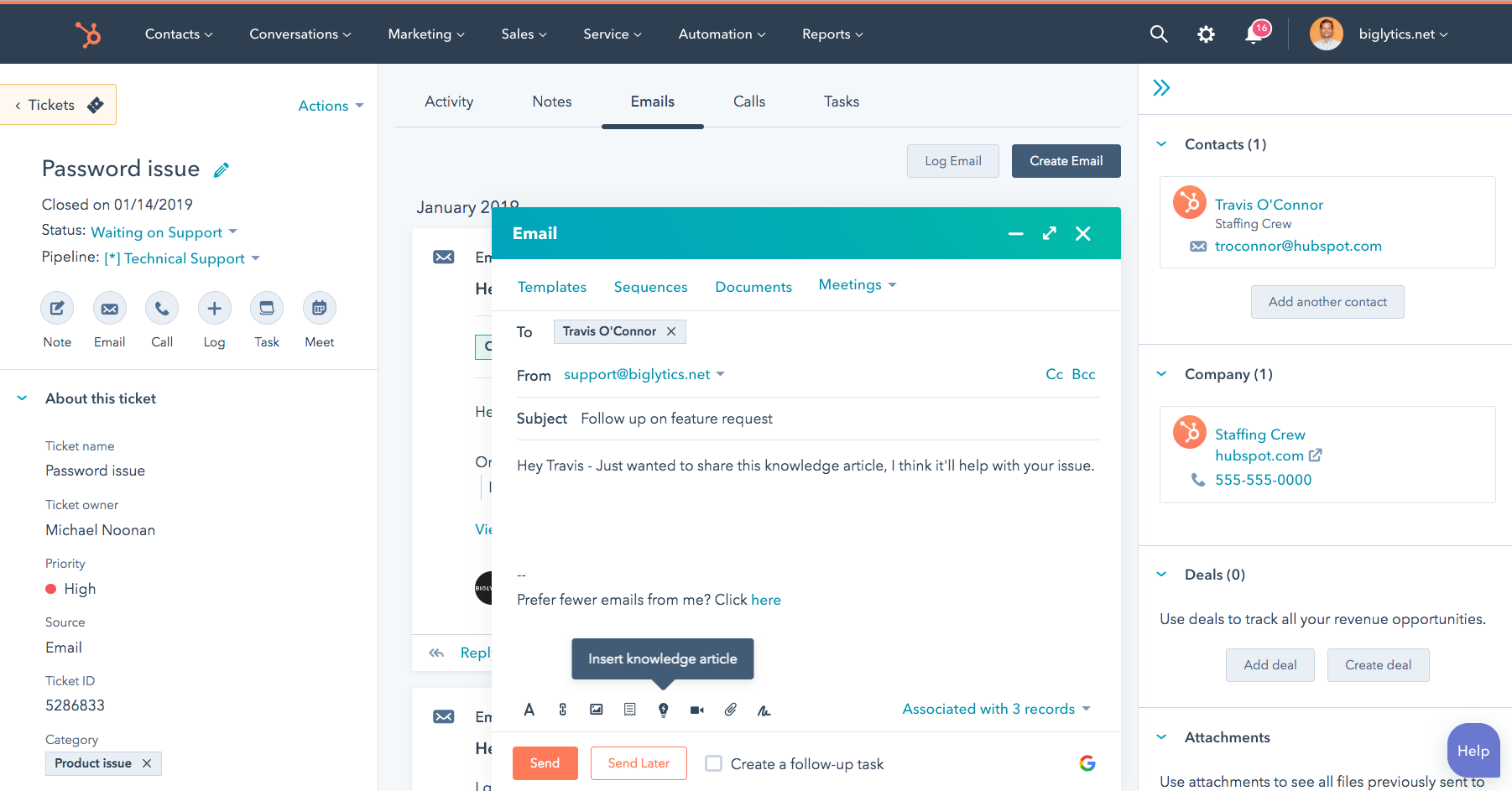
- Key features: Sales Cloud is designed to help sales teams manage leads, opportunities, and customer interactions efficiently.
- Example: Sales representatives can use Sales Cloud to track customer interactions, forecast sales, and collaborate with team members in real-time.
- Benefits: Sales Cloud provides a centralized platform for sales data, automated workflows, and customizable reports for better decision-making.
Service Cloud
- Key features: Service Cloud focuses on customer service and support, offering tools for case management, knowledge base, and self-service portals.
- Example: Customer support agents can use Service Cloud to resolve customer inquiries, track service requests, and provide personalized support.
- Benefits: Service Cloud enhances customer satisfaction with quick response times, omni-channel support, and AI-powered service capabilities.
Marketing Cloud
- Key features: Marketing Cloud enables marketers to create targeted campaigns, automate email marketing, and analyze customer engagement.
- Example: Marketing teams can use Marketing Cloud to segment audiences, personalize content, and measure campaign performance in real-time.
- Benefits: Marketing Cloud improves lead generation, lead nurturing, and customer loyalty through personalized marketing strategies and analytics.
Commerce Cloud
- Key features: Commerce Cloud provides e-commerce solutions, including storefronts, shopping carts, and order management.
- Example: Retailers can use Commerce Cloud to create online stores, manage product catalogs, and offer personalized shopping experiences.
- Benefits: Commerce Cloud drives online sales, enhances customer experience, and optimizes merchandising strategies for increased revenue.
Standard pricing vs. custom pricing
Standard pricing packages come with fixed prices for predefined services or products, offering simplicity and ease of understanding for customers. On the other hand, custom pricing options are tailored to individual customers, allowing for flexibility but may present challenges in determining prices accurately.
Advantages and Disadvantages
- Standard Pricing: Advantages include clear pricing structure, easy comparison for customers, and quick decision-making. However, limitations may arise when customers have unique needs that are not covered by the standard packages.
- Custom Pricing: Benefits include personalized solutions, flexibility to accommodate specific requirements, and potential for higher customer satisfaction. Challenges involve complexity in pricing calculations, longer sales cycles, and possible confusion for customers.
Real-world Examples
- Industry-specific software solutions like accounting software often offer standard pricing packages based on the size of the business or the number of users. This approach simplifies the purchasing process for customers with similar needs.
- However, in industries where each customer’s requirements vary significantly, such as enterprise-level software solutions or complex consulting services, custom pricing models are more suitable to address individual needs effectively.
Comparison Table
| Features | Standard Pricing | Custom Pricing |
|---|---|---|
| Price Structure | Fixed prices for predefined services | Tailored pricing based on individual needs |
| Target Customers | Customers with similar needs or budget constraints | Customers with unique requirements or specialized projects |
| Use Cases | Small to medium-sized businesses, standardized products/services | Large enterprises, complex solutions, customized services |
Pricing tiers and features
When it comes to Salesforce CRM pricing, there are different tiers available to cater to the varying needs of businesses. Each tier comes with its own set of features and benefits designed to provide value to customers. Let’s explore the different pricing tiers and the features included in each.
Essential Tier
The Essential tier is the basic package offered by Salesforce CRM. It includes essential CRM features such as contact management, lead management, opportunity management, and email integration. This tier is suitable for small businesses or startups looking to establish a foundational CRM system.
Professional Tier
The Professional tier builds upon the Essential tier by adding more advanced features such as workflow automation, customizable reports and dashboards, and mobile access. This tier is ideal for growing businesses that require more customization and automation in their CRM processes.
Enterprise Tier
The Enterprise tier is designed for larger organizations with complex CRM needs. It includes advanced features like territory management, advanced analytics, and API access for integrations with other systems. This tier offers scalability and customization options to meet the demands of enterprise-level businesses.
Unlimited Tier
The Unlimited tier is the highest tier offered by Salesforce CRM, providing unlimited customization options, support, and data storage. It includes advanced features like 24/7 support, unlimited custom apps, and sandbox environments for testing. This tier is suitable for large enterprises with extensive CRM requirements.
| Tier | Features | Limits | Pricing |
|---|---|---|---|
| Essential | Contact Management, Lead Management, Opportunity Management, Email Integration | Basic CRM features | Starting at $25/user/month |
| Professional | Workflow Automation, Customizable Reports and Dashboards, Mobile Access | Advanced CRM features | Starting at $75/user/month |
| Enterprise | Territory Management, Advanced Analytics, API Access | Enterprise-level features | Starting at $150/user/month |
| Unlimited | 24/7 Support, Unlimited Custom Apps, Sandbox Environments | Unlimited customization and support | Starting at $300/user/month |
Each pricing tier offers unique benefits and advantages tailored to different business requirements. The Essential tier is perfect for small businesses looking for basic CRM functionalities, while the Unlimited tier provides extensive customization and support for larger enterprises. Customers can choose the tier that best aligns with their needs and budget to get the most value out of Salesforce CRM.
Hidden costs and additional charges
When considering Salesforce CRM pricing, it’s essential to be aware of any hidden costs or additional charges that may impact your budget. Understanding these factors can help you plan effectively and avoid unexpected expenses.
Hidden Costs
- Implementation Costs: While Salesforce offers a range of features, implementing the CRM system may require additional resources such as training, consulting services, or custom development.
- Integration Costs: Integrating Salesforce with other systems or applications may incur additional expenses, depending on the complexity of the integration.
- Data Storage Costs: As your data grows, you may need to purchase additional storage space, which can lead to increased costs over time.
Additional Charges
- Extra User Licenses: Adding more users to your Salesforce CRM may come with extra charges, so it’s important to consider the scalability of your plan.
- Premium Support: Opting for premium support services or dedicated account management can result in additional charges on top of your subscription fee.
- Customization Fees: Advanced customization or development work beyond standard features may require additional charges to implement.
Tips to Avoid Unexpected Expenses
- Understand your needs before selecting a pricing tier to avoid paying for features you don’t require.
- Regularly review your usage and adjust your plan accordingly to optimize costs.
- Consider negotiating with Salesforce for discounts or bundled services to reduce overall expenses.
Impact of Customization on Pricing
Customization plays a significant role in determining the final price of your Salesforce CRM. More complex customizations or unique features can lead to higher costs, so it’s crucial to carefully assess your customization needs and budget accordingly.
Comparison of Pricing Tiers
| Pricing Tier | Features Included |
|---|---|
| Standard | Basic CRM functionality, limited customization options |
| Professional | Advanced CRM features, more customization capabilities |
| Enterprise | Comprehensive CRM solutions, extensive customization features |
Cost Savings with Annual Billing
Subscribing to Salesforce CRM on an annual basis can often result in cost savings compared to monthly billing. Annual plans typically offer discounts or incentives for committing to a longer-term contract.
Discounts and promotions
When it comes to Salesforce CRM pricing, discounts and promotions can play a significant role in helping businesses save on costs. Let’s explore some of the discounts and promotions offered by Salesforce for CRM pricing.
Eligibility for discounts
- Salesforce offers discounts to non-profit organizations to support their missions. Eligible organizations can receive discounts on Salesforce products, including CRM.
- Discounts may also be available for educational institutions and startups, depending on certain criteria such as size and revenue.
Examples of past promotions
- One past promotion offered by Salesforce was a limited-time discount on CRM licenses for new customers. This promotion helped businesses save on initial setup costs.
- Another example is the promotion that provided a discount on additional user licenses when purchasing a certain number of licenses initially.
Payment options and flexibility
When it comes to Salesforce CRM pricing, understanding the payment options and flexibility is crucial for businesses looking to invest in this powerful tool. Here, we will delve into the different payment options available, discuss the flexibility in payment terms and methods, and provide recommendations on choosing the most suitable payment option.
Payment Options Available
- Monthly Subscription: Salesforce CRM offers a monthly subscription model where businesses pay a fixed amount each month for access to the platform.
- Annual Subscription: Alternatively, businesses can opt for an annual subscription plan, which often comes with cost savings compared to the monthly option.
- Per User Pricing: Some pricing plans are based on the number of users accessing the CRM, with businesses paying a set fee per user.
Flexibility in Payment Terms and Methods
- Customizable Plans: Salesforce CRM allows for customization of pricing plans based on the specific needs and scale of the business, providing flexibility in adapting to changing requirements.
- Payment Methods: Businesses can choose from various payment methods such as credit card, bank transfer, or online payment platforms, offering convenience and ease of transaction.
- Upgrade Options: Salesforce CRM provides options for upgrading or downgrading plans based on business growth or evolving needs, ensuring flexibility in scaling the CRM usage.
Recommendations for Choosing the Most Suitable Payment Option
- Assess Business Needs: Evaluate the size, scale, and requirements of your business to determine the most cost-effective and efficient payment option that aligns with your goals.
- Consider Budget Constraints: Take into account your budget constraints and financial capabilities to choose a payment plan that offers the best value for money without compromising on features.
- Consult with Salesforce Experts: Seek guidance from Salesforce experts or consultants to explore the best payment options tailored to your specific business needs and objectives.
Contract length and renewal terms
When it comes to Salesforce CRM pricing, understanding the contract length and renewal terms is crucial for businesses to make informed decisions. Let’s delve into the details to help you navigate this aspect effectively.
Typical Contract Lengths
- Monthly Contracts: Ideal for short-term commitments or projects with flexibility but may come at a higher cost per month.
- Annual Contracts: A common choice offering stability and potential cost savings compared to monthly plans.
- Multi-Year Contracts: Provides the longest-term commitment with the possibility of additional discounts but may limit flexibility.
Renewal Terms and Conditions
- Automatic Renewal: Some subscriptions may automatically renew unless canceled, so it’s important to review renewal terms carefully.
- Price Increases: Be aware of potential price hikes upon renewal and negotiate terms in advance to avoid unexpected costs.
Negotiating Contract Terms
- Leveraging Volume Discounts: Consider increasing the number of users or services to qualify for volume discounts.
- Add-On Services: Explore additional features or services to enhance your subscription and negotiate bundled pricing.
- Special Promotions: Keep an eye out for special promotions or discounts offered by Salesforce CRM for new or existing customers.
Contract Length Comparison
| Contract Length | Features | Pricing |
|---|---|---|
| Monthly | Basic features | Higher monthly cost |
| Annual | Advanced features | Potential cost savings |
| Multi-Year | Premium features | Additional discounts |
Comparison with competitors
When comparing Salesforce CRM pricing with offerings from competitors, it is important to consider the unique selling points that set Salesforce apart in the market. Let’s delve into a comprehensive analysis of the pricing competitiveness in the CRM industry.
Features and Functionality
- Salesforce CRM offers a wide range of features and functionalities that cater to different business needs, including sales, marketing, customer service, and analytics.
- Competitors may offer similar features, but Salesforce stands out with its seamless integration capabilities with other Salesforce products like Marketing Cloud and Service Cloud.
- Salesforce’s AI-powered tools, such as Einstein Analytics, provide advanced insights that give businesses a competitive edge in decision-making.
Pricing Structure
- Salesforce CRM pricing is known for its flexibility, allowing businesses to choose from various pricing tiers based on their specific requirements.
- Competitors may have rigid pricing structures that do not offer the same level of customization and scalability that Salesforce provides.
- Salesforce’s pay-as-you-go model and transparent pricing make it easier for businesses to budget and scale their CRM usage effectively.
Customer Support
- Salesforce is renowned for its excellent customer support services, offering 24/7 assistance and a vast knowledge base for users.
- Competitors may not provide the same level of dedicated support and resources that Salesforce offers, which can impact the overall user experience.
- Salesforce’s community forums and training resources empower users to maximize the value of their CRM investment.
Scalability and pricing implications
When it comes to Salesforce CRM, scalability plays a crucial role in determining pricing. As businesses grow and evolve, their CRM needs may change, leading to adjustments in usage and features required.
Impact of Scalability on Pricing
Scalability in Salesforce CRM directly affects pricing, as the more users, data, and customizations are added, the higher the costs can become. Upgrading to accommodate increased usage or expanding functionalities often leads to additional charges.
- Adding more users: Increasing the number of users accessing the CRM platform can result in higher subscription fees or user licenses.
- Expanding storage: As data storage needs grow, businesses may need to upgrade their storage capacity, incurring additional costs.
- Customizations and integrations: Implementing custom features or integrating with other systems can also lead to higher pricing tiers.
Successful Pricing Management with Scalability
Businesses that have successfully managed pricing with scalability in mind have strategically planned for growth and fluctuations in their CRM usage. By forecasting their future needs and negotiating flexible contracts, they have been able to optimize their costs effectively.
For example, a startup that initially started with a basic Salesforce CRM package negotiated a contract that allowed for scalability as they expanded their operations. This foresight saved them from unexpected price hikes and ensured a smooth transition as they grew.
Customer reviews and satisfaction
Customer reviews play a crucial role in assessing the satisfaction levels of users with Salesforce CRM pricing. Let’s delve into the feedback provided by customers to understand their sentiments towards the pricing structure.
Categorized Customer Reviews
- Positive Feedback: Customers appreciate the transparent pricing structure of Salesforce CRM, noting the value for money it offers compared to other CRM providers. They highlight the cost-effectiveness and the range of features available at different pricing tiers.
- Neutral Feedback: Some users have expressed mixed feelings about the pricing, stating that while they find the features valuable, they believe the pricing could be more competitive in certain areas.
- Negative Feedback: A few customers have raised concerns about hidden costs and additional charges associated with Salesforce CRM pricing. They feel that the pricing could be more straightforward and inclusive of all necessary features.
Competitors Comparison
When comparing Salesforce CRM pricing with competitors, customers have generally shown higher satisfaction levels with the former due to its scalability and flexibility. The ability to customize pricing based on specific business needs has been a significant advantage for users.
Testimonials and ROI Examples
“Switching to Salesforce CRM pricing model has saved our company thousands of dollars annually while boosting our ROI significantly. The transparent pricing structure allowed us to plan our budget effectively and invest in the right features for our business.”
Impact of Pricing Transparency
The transparency in Salesforce CRM pricing has positively impacted customer perception and loyalty. By clearly outlining the costs and benefits associated with each pricing tier, customers feel more informed and empowered in their decision-making process.
Pricing Tiers Comparison
| CRM Provider | Basic Tier | Intermediate Tier | Advanced Tier |
|---|---|---|---|
| Salesforce CRM | $XX/month | $XX/month | $XX/month |
| Competitor A | $XX/month | $XX/month | $XX/month |
| Competitor B | $XX/month | $XX/month | $XX/month |
Integration costs and compatibility
When it comes to integrating Salesforce CRM with other systems, there are certain costs involved. These costs can vary depending on the complexity of the integration and the systems being connected. It’s important to understand these costs and plan accordingly to optimize your integration process without incurring additional expenses.
Integration Costs
- Initial Setup Costs: There may be costs associated with the initial setup of the integration, including configuration and customization.
- Licensing Fees: Some integrations may require additional licenses or subscriptions, which can add to the overall cost.
- Consulting Services: If you need help from experts to integrate Salesforce CRM with other systems, consulting services may come at an extra cost.
Compatibility with Different Software and Tools
- Salesforce CRM is compatible with a wide range of software and tools, including popular platforms like Microsoft Office, Google Suite, and various marketing automation tools.
- Third-party integrations are also available through the Salesforce AppExchange, offering a variety of options to connect Salesforce CRM with other applications.
- It’s important to ensure compatibility with the specific software and tools you use in your business to maximize the benefits of integration.
Tips for Optimizing Integration
- Plan Ahead: Clearly define your integration requirements and goals to avoid unnecessary costs and delays.
- Utilize Salesforce AppExchange: Explore the extensive range of pre-built integrations available on the AppExchange to streamline your integration process.
- Training and Support: Invest in training for your team to effectively use the integrated systems and minimize any additional support costs.
Support and Training Fees
When considering Salesforce CRM pricing, it is important to take into account the support and training fees associated with the platform. These fees are crucial for ensuring that your team is equipped with the necessary knowledge and resources to effectively utilize the CRM system and maximize your return on investment.
Importance of Ongoing Support and Training
- Ensures that your team is well-trained on using the CRM system to its full potential.
- Helps in troubleshooting issues and addressing any technical challenges that may arise.
- Keeps your team updated on new features and updates to the platform.
Best Practices for Leveraging Support and Training Resources
- Regularly schedule training sessions for new employees and refresher courses for existing users.
- Utilize online resources such as tutorials, user guides, and forums provided by Salesforce for self-paced learning.
- Take advantage of support services offered by Salesforce, such as phone support, live chat, and email support, to quickly resolve any issues.
Case studies and success stories
In the world of Salesforce CRM pricing, case studies and success stories provide valuable insights into how businesses have leveraged the pricing strategies to achieve remarkable results. These real-world examples showcase the impact of Salesforce CRM pricing on companies of all sizes and industries.
Case Study 1: Company X
- Company X, a medium-sized manufacturing firm, implemented Salesforce CRM pricing to streamline their sales process and improve customer relationships.
- By customizing pricing tiers and features to meet their specific needs, Company X saw a 20% increase in sales within the first year of using Salesforce CRM.
- They were able to track customer interactions more effectively, resulting in higher customer satisfaction and retention rates.
Case Study 2: Company Y
- Company Y, a global technology company, adopted Salesforce CRM pricing to enhance their marketing campaigns and drive lead generation.
- Through the integration of Salesforce CRM with their existing systems and tools, Company Y experienced a 30% increase in qualified leads and a 15% decrease in marketing costs.
- The scalability of Salesforce CRM pricing allowed Company Y to adjust their pricing structure as their business grew, ensuring continued success.
Success Story: Company Z
- Company Z, a small startup in the e-commerce industry, credits Salesforce CRM pricing for their rapid growth and expansion.
- By taking advantage of discounts and promotions offered by Salesforce, Company Z was able to invest more in their business and attract new customers.
- The flexibility of payment options and contract terms provided by Salesforce CRM pricing allowed Company Z to manage their budget effectively and achieve profitability within the first year of operation.
Future trends and pricing predictions
The landscape of Salesforce CRM pricing is constantly evolving, driven by technological advancements and market demands. As we look ahead, several key trends and predictions can be identified that may shape the pricing strategies in the CRM industry.
Impact of Emerging Technologies
With the rise of artificial intelligence (AI) and blockchain technology, the pricing models for Salesforce CRM are likely to undergo significant changes. AI-powered automation can streamline processes, leading to more efficient pricing structures. Blockchain, on the other hand, can enhance security and transparency, potentially influencing pricing decisions based on data integrity.
Role of Data Analytics
Data analytics plays a crucial role in shaping pricing strategies for Salesforce CRM. By leveraging insights from customer data, companies can customize pricing plans, offer targeted promotions, and optimize revenue streams. As data analytics tools become more advanced, pricing decisions are expected to become increasingly data-driven and customer-centric.
Adaptations by Leading CRM Providers
Successful CRM providers have demonstrated agility in adapting their pricing strategies to market shifts. For example, some companies have transitioned from traditional one-time purchases to subscription-based models, offering customers greater flexibility and scalability. By observing and learning from these adaptations, businesses can prepare for future pricing changes in Salesforce CRM.
Subscription-Based Models vs. One-Time Purchases
The debate between subscription-based models and one-time purchases continues to shape CRM pricing structures. While subscription models provide recurring revenue streams and ongoing customer engagement, one-time purchases offer immediate revenue and ownership benefits. Balancing the advantages of both approaches is essential for devising competitive pricing strategies in Salesforce CRM.
Closure
As you delve deeper into the realm of Salesforce CRM pricing, remember that choosing the right plan is crucial for maximizing your business potential. With a wide range of features and pricing tiers, Salesforce CRM offers a solution for every need, ensuring seamless operations and enhanced efficiency.
